How to Choose the Best Three Axis CNC Machine for Your Needs?
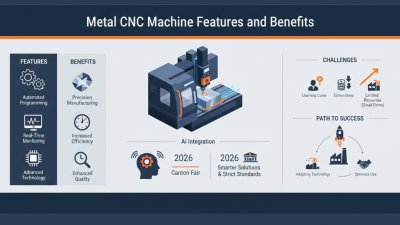
The demand for precision engineering is soaring in various industries. A recent report indicates that the global CNC machine market is expected to reach $100 billion by 2026, with three axis CNC machines leading the growth. Their ability to enhance accuracy and efficiency makes them popular among manufacturers.
Choosing the right three axis CNC machine is crucial. It involves understanding specific project requirements and material types. Many buyers overlook the importance of spindle speed and tool compatibility. High-quality machines can significantly reduce production time and costs. However, lower-priced options may lack essential features or reliability, which can lead to increased downtime.
As technology evolves, staying informed about advancements is vital. New features, software updates, and integrations can improve workflow. Potential buyers should research manufacturers and user reviews. Trustworthy sources can provide insights into performance and durability. Making an informed decision ensures your investment supports long-term success and operational efficiency.
Understanding the Basics of Three Axis CNC Machines
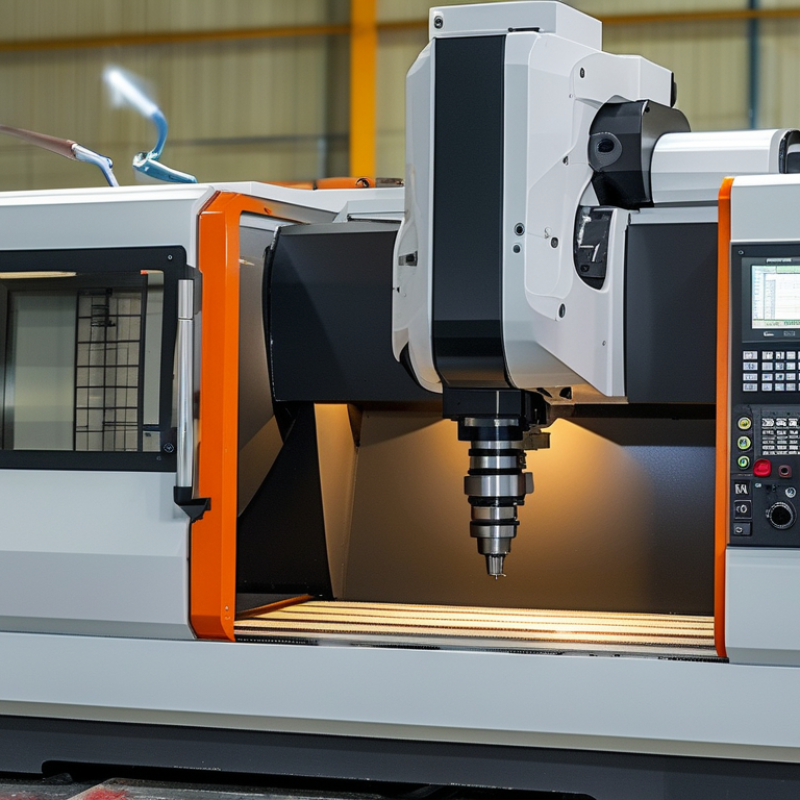
Understanding three axis CNC machines is essential for any manufacturer. These machines operate on three linear axes:
X,
Y, and
Z.
They’re designed to create intricate parts from various materials. By moving the cutting tool or the workpiece, they carve out precise shapes.
The machine’s accuracy can significantly affect the quality of production.
CNC machining requires proper calibration and programming knowledge. Operators often face challenges such as
tool wear and
misalignment. Maintaining consistency across multiple parts can be difficult. Understanding the machine's limitations is vital. Not every CNC machine can handle complex designs efficiently.
Many beginners underestimate the importance of
software compatibility. Choosing the right software can
streamline the entire machining process. Experience often highlights the need for ongoing training.
As technology progresses, staying updated is crucial for success. Reflecting on previous projects allows for a better understanding of future needs.
Identifying Your Specific Manufacturing Needs
When selecting a three-axis CNC machine, understanding your specific manufacturing needs is crucial. Consider the materials you will work with. Different machines excel with metals, plastics, or wood. If you're uncertain about material compatibility, research or consult experts in the field. This knowledge can prevent costly mistakes.
Think about the types of projects you want to undertake. Will you be creating prototypes, small batches, or large production runs? Each approach may require different machine specifications. Inadequate machine choices can lead to inefficiencies. Investing time in defining your project scope will help narrow down your options.
Tips: Assess your workspace dimensions. Ensure the machine fits without disrupting your workflow. Maintain a realistic budget. Higher quality machines often come with a steeper price but can deliver better precision. Lastly, stay informed about technology trends. Regularly updating your knowledge can influence your decision-making process.
Overview of CNC Machine Type Preferences
Comparing Different Brands and Models on the Market
When selecting a three-axis CNC machine, it's essential to compare the various brands and models available. Each machine offers unique features and capabilities tailored to different needs. Analyze the specifications, including the maximum speed, precision, and tool compatibility. Some machines excel in speed, while others provide better accuracy. This balance impacts the quality of your work.
Tip: Consider your primary use case. Are you focusing on detailed carvings or larger cutouts? Knowing your main projects can help narrow down your options.
Not all machines fit every workshop. Size and weight vary significantly among brands. Check the machine’s dimensions and verify it fits your space. Installation can be tricky without adequate room. Additionally, the software compatibility can dictate ease of use. Sometimes, a user-friendly interface can save you hours of frustration.
Tip: Read customer reviews. They offer insights from real users. However, note that not all reviews reflect expert opinions. Balance feedback with professional evaluations to ensure a well-rounded decision.
Lastly, factor in after-sales service. Some brands provide extensive support, while others may fall short. Reliability during and after purchase can affect your long-term satisfaction with the CNC machine.
Evaluating Key Features and Specifications of CNC Machines
When choosing a three-axis CNC machine, it’s crucial to evaluate key features and specifications. The machine's build quality directly impacts its longevity and performance. Look for robust materials and a strong frame to withstand heavy use. The weight of the machine often indicates stability, which is essential for precision.
Another significant aspect is the spindle power. A powerful spindle enables faster cutting speeds, thereby improving efficiency. The maximum spindle speed is also important. High speeds can cut through tougher materials, giving you versatility. Ask yourself if the machine meets your material needs.
Control systems vary between machines. User-friendly interfaces can enhance operational efficiency. You may find that some systems are more complex than others. It's okay to feel lost during the selection process. Researching different control options, such as pendant or software-based controls, can guide your choice. Remember, the right CNC machine aligns with your specific projects and skills. Assess your requirements thoroughly before deciding.
How to Choose the Best Three Axis CNC Machine for Your Needs?
| Feature |
Description |
Importance |
| Build Volume |
Dimensions of the maximum size of the workpiece that can be machined. |
High |
| Accuracy |
Precision of the machine in producing parts. |
Critical |
| Spindle Speed |
Maximum rotations per minute of the spindle. |
Moderate |
| Control System |
Type of software and interface used to operate the machine. |
High |
| Material Compatibility |
Types of materials the machine can process. |
Moderate |
| Weight |
Total weight of the CNC machine affecting stability. |
Moderate |
| Power Requirements |
Electrical power needed to operate the machine. |
High |
Budgeting for Your Three Axis CNC Machine Purchase
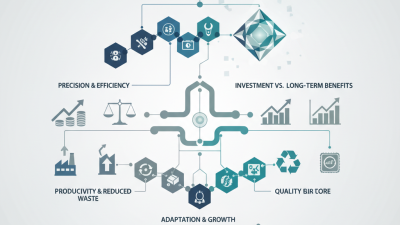
When budgeting for a three-axis CNC machine, consider various factors. The initial cost is just one piece of the puzzle. You need to account for maintenance, tools, and materials as well. Unexpected expenses can arise, so it's wise to set aside a contingency fund. This approach can help you avoid financial strain later.
Think about your production needs. If you require high precision, a more expensive model may be necessary. However, if your projects are smaller or less complex, a budget-friendly option may suffice. Researching machine specs can save you money in the long run. Be sure to evaluate running costs, including power consumption and potential software upgrades.
Don't overlook the value of learning from others. Engage in forums or discussions to gather insights. You may discover hidden costs or tips that can refine your choices. Reflect on your priorities: Are you aiming for speed, accuracy, or versatility? This reflection can guide how you allocate your budget effectively.