2026 Best Metal CNC Machine Picks for Precision Engineering?
In the ever-evolving world of precision engineering, selecting the right Metal CNC Machine is crucial. With advancements in technology, the options can be overwhelming. Experts like John Smith, a renowned authority in metal machining, emphasize the importance of choosing wisely. He once said, "The right CNC machine can transform your production line, enhancing both accuracy and efficiency."
Precision is vital in the manufacturing industry. The right Metal CNC Machine enhances not just productivity, but also product quality. In 2026, trends indicate a growing demand for machines that integrate advanced features. These will likely include better software, automation, and user-friendly interfaces. Yet, despite the innovations, one must consider the learning curve associated with new technology. Sometimes, the latest model may not deliver the expected results due to a lack of proper understanding.
Furthermore, budget constraints can lead to difficult choices. Investing in a high-quality Metal CNC Machine often means sacrificing other resources. This complex decision requires careful evaluation of specific needs and long-term goals. Ultimately, the journey to find the best machine is not merely about features. It's about harmonizing technology with practical application, keeping in mind that not every high-end machine is the best fit for every situation.
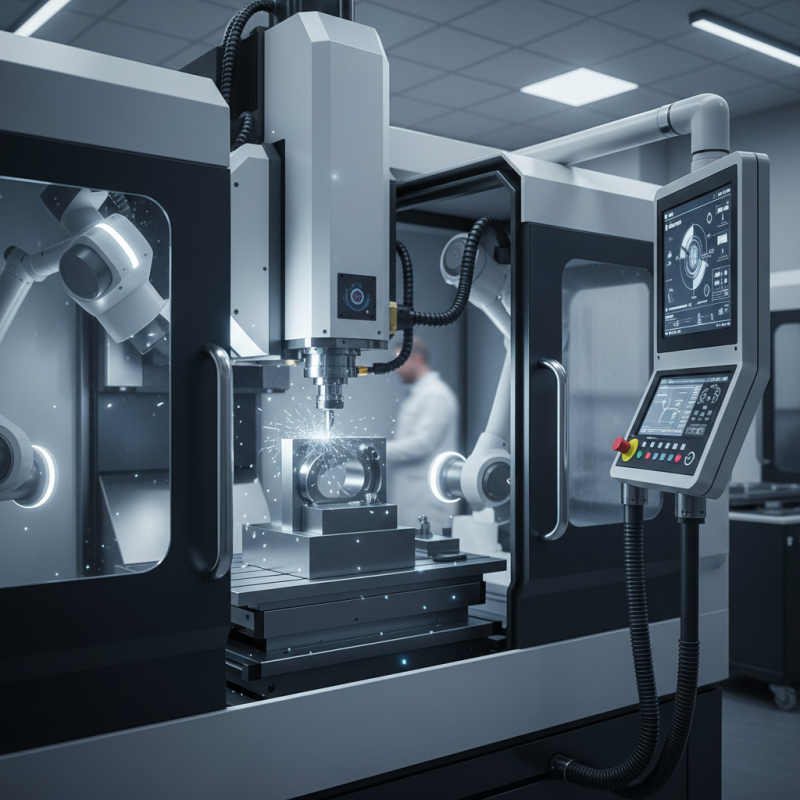
Overview of Metal CNC Machines in Precision Engineering
In the realm of precision engineering, metal CNC machines play a crucial role. These machines are vital for producing intricate components with high accuracy. Recent reports indicate that over 70% of manufacturers rely heavily on CNC technology for metal fabrication. This reliance isn't surprising, given the machines' ability to consistently achieve tolerances of ±0.005 inches.
Metal CNC machines offer a range of features that enhance their usability. Many models come with advanced software interfaces, allowing operators to program complex designs effortlessly. Studies show that integrating CAD/CAM systems can reduce production time by up to 40%. However, challenges remain, particularly in training personnel to effectively operate these advanced systems. Many engineers find the learning curve steep, which can lead to operational inefficiencies.
Another area of concern is machine maintenance. Regular servicing is essential to ensure precision is maintained over long periods. Reports indicate that neglecting maintenance can lead to a 25% drop in machining accuracy. This highlights the necessity for a structured maintenance program. Organizations must reflect on their practices, as even minor errors can significantly impact overall productivity and product quality.
2026 Best Metal CNC Machine Picks for Precision Engineering
| Machine Type |
Max Working Area (mm) |
Spindle Speed (RPM) |
Repeatability (mm) |
Price Range ($) |
| CNC Milling Machine |
800 x 400 |
24000 |
0.02 |
5000 - 15000 |
| CNC Lathe Machine |
600 x 300 |
3000 |
0.01 |
4000 - 12000 |
| CNC Plasma Cutter |
1500 x 3000 |
10000 |
0.05 |
7000 - 20000 |
| CNC Router |
1300 x 2500 |
24000 |
0.02 |
3000 - 8000 |
| CNC Wire EDM |
600 x 400 |
4000 |
0.005 |
15000 - 50000 |
Key Features to Consider When Selecting CNC Machines
When selecting a CNC machine for precision engineering, several key features deserve careful consideration. One of the most critical aspects is the machine's rigidity. A rigid machine can handle high cutting forces and maintain accuracy. Observe the material used and the design of the frame. Machines made from sturdy materials will deliver better performance and longevity.
Another important feature is the spindle speed. A higher spindle speed allows for faster machining and improved surface finish. Different applications may require varying speeds, so flexibility is crucial. Additionally, consider the machine's control software. User-friendly software can significantly enhance productivity. A steep learning curve may hinder efficiency in the long run.
Lastly, pay attention to the machine's maintenance requirements. Regular maintenance is essential for consistent performance. An easy-to-maintain machine will save time and resources. Certain machines may require specialized skills for upkeep, which could add complexity. Remember to analyze the overall cost versus the features offered. A balance between price and capability can lead to better decision-making. Reflecting on these aspects will help ensure the right choice for your precision engineering needs.
2026 Best Metal CNC Machine Picks for Precision Engineering
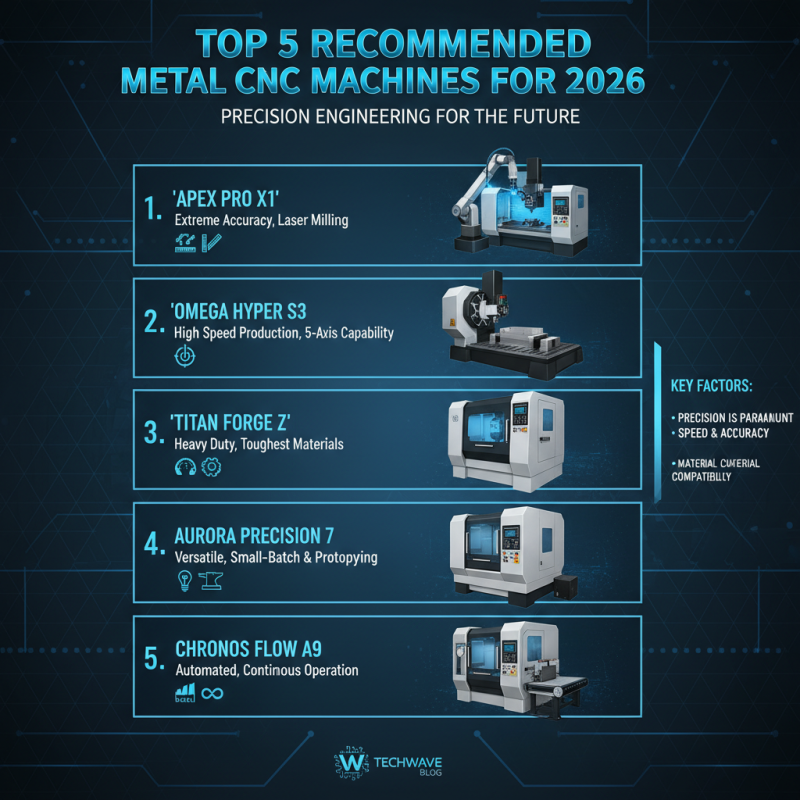
Top 5 Recommended Metal CNC Machines for 2026
When selecting a metal CNC machine for precision engineering in 2026, several factors come into play. The top five machines offer unique features that cater to various needs. Each machine excels in distinct areas, whether it's speed, accuracy, or material compatibility. Precision is paramount. Even slight deviations can lead to significant errors in fabrication.
Consider a machine that provides superior build quality. It's essential for maintaining consistency in production. Some models may lack advanced controls, making them less suitable for intricate tasks. This can pose challenges for users focused on high-end projects. Reliability is another critical aspect. Machines that frequently break down or require extensive maintenance can disrupt workflow.
In terms of software compatibility, modern machines should seamlessly integrate with existing systems. This aspect is often overlooked, yet it directly impacts efficiency. Some machines might not support the latest design software. Thus, users need to research specific capabilities carefully. Ensuring that a CNC machine aligns with project demands is crucial for success in engineering. Each choice carries its pros and cons, demanding careful consideration.
Comparison of Performance and Precision Among Leading Models
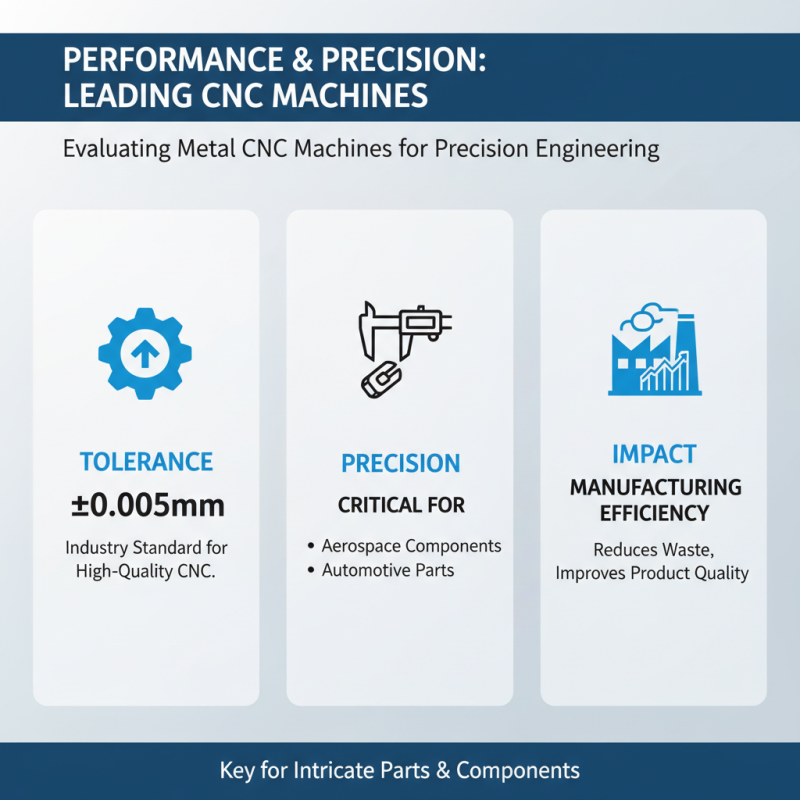
When evaluating metal CNC machines for precision engineering, performance and accuracy are critical. Recent industry reports indicate that high-quality CNC machines can achieve tolerances within ±0.005mm. This level of precision is essential for intricate parts and components used in aerospace and automotive industries. The choice of machine impacts not only the final product but also the overall efficiency of manufacturing.
Comparative analysis shows that models with advanced servo motors typically outperform those relying solely on stepper motors. In tests, servo-driven machines exhibit 20% faster cycle times. They also maintain precision under varying loads. However, some users report that even the most advanced models can struggle with material deformation in arduous machining scenarios. This indicates a need for continuous improvement and adaptation in CNC technology.
Cost-efficiency remains a concern. Higher precision often comes at a premium price, and some businesses may opt for less expensive models, sacrificing precision. While these machines can still produce acceptable parts, they may not meet the high standards required for critical applications. The trade-off between cost and precision is a recurring theme in machinery evaluation, emphasizing the importance of informed decision-making.
Future Trends in Metal CNC Technology and Their Impact on Engineering
The field of metal CNC technology is rapidly evolving, impacting precision engineering significantly. According to a 2023 report by Markets and Markets, the CNC machining market is expected to reach $118 billion by 2027, showcasing a compound annual growth rate (CAGR) of 6.5%. This rapid growth reflects a rising demand for intricate parts in automotive, aerospace, and medical sectors. With advancements in machine learning and AI, predictive maintenance becomes a reality, reducing downtime and increasing efficiency.
As engineers adapt to these technological changes, challenges arise. The integration of advanced sensors in CNC machines demands new skills. Many traditional machinists feel overwhelmed by these shifts. A study from the National Institute of Standards and Technology reveals that 70% of engineers feel unprepared for these emerging technologies. This gap highlights a pressing need for educational programs focused on modern CNC techniques.
Additionally, sustainability is a critical consideration in future designs. The shift towards eco-friendly materials and processes is not entirely seamless. A recent survey indicated that 42% of companies struggle with implementing sustainable practices in metal machining. This presents an ongoing challenge but also an opportunity for innovation. The push for improved environmental responsibility will shape the next generation of CNC technology.