How to Choose the Best Three Axis CNC Machine for Your Needs?
When choosing a Three Axis CNC Machine, several factors come into play. The CNC market is growing rapidly, with a projected increase of 8.4% CAGR from 2022 to 2028, according to a recent report by MarketsandMarkets. This growth highlights the importance of making informed decisions in your machinery purchase.
Industry expert, Dr. Alice Chen, emphasizes the need for careful selection. She stated, "Selecting the right Three Axis CNC Machine can make or break your production efficiency." Her insights underscore the significance of understanding your unique requirements before investing.
Shaping your choice involves knowing your production volume, material types, and required precision. Many options promise high performance, yet you must evaluate their true capabilities. A tailored selection leads to better returns. Thus, reflecting on your specific needs is critical. Balancing quality with cost is not easy, but necessary for success in the competitive landscape.
Understanding the Basics of Three Axis CNC Machines for Beginners
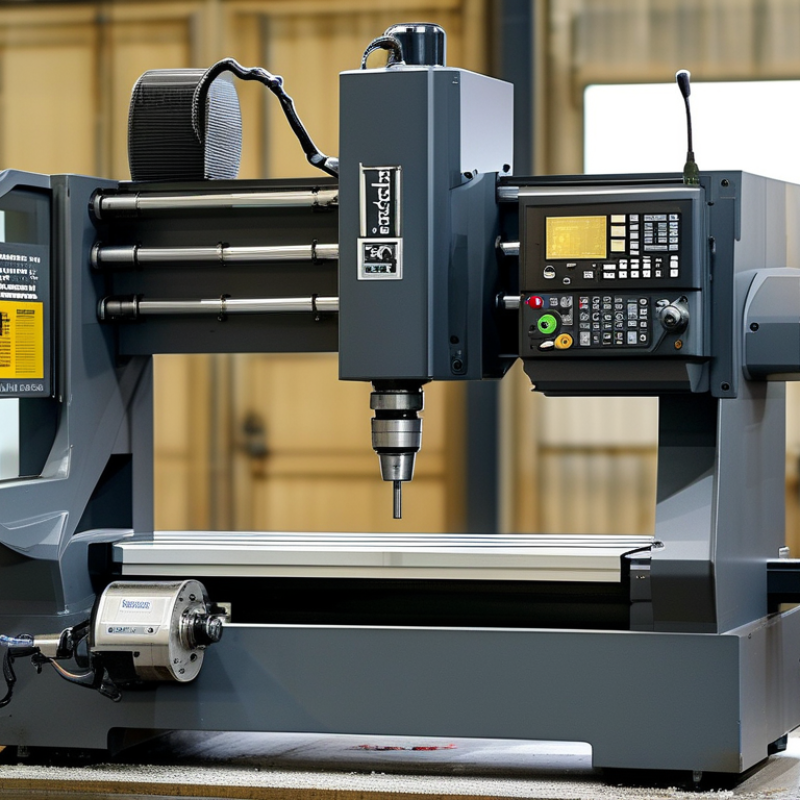
Three-axis CNC machines are popular among beginners entering the manufacturing and machining world. These machines operate on three linear axes: X, Y, and Z. They can cut, carve, and shape materials with precision. According to a report from Market Research Future, the CNC machine market is expected to grow significantly, driven by increasing automation in manufacturing industries.
Understanding the basics involves grasping how these machines function. A three-axis system typically utilizes CNC software that translates design into machine movements. Users must familiarize themselves with G-code, a programming language that controls CNC machines. According to a survey by the National Institute of Standards and Technology, only about 30% of beginners fully understand G-code when they start. This shows a clear knowledge gap that can lead to inefficient operations.
Additionally, proper material choice is crucial. Three-axis CNC machines can work with various materials, from wood to metals. Beginners often start with softer materials, but transitioning to harder ones can pose challenges. This transition requires both skill and understanding of the machine's capabilities. Reports indicate that about 40% of beginners underestimate the importance of material selection, leading to project failures or increased costs. It's essential to educate oneself about these aspects to maximize the machine's efficiency.
Key Specifications to Consider When Choosing a Three Axis CNC Machine
When choosing a three-axis CNC machine, several key specifications can significantly impact your decision.
First, evaluate the machine's axis movement. A three-axis CNC typically allows for movement along the X, Y, and Z axes, which is essential for many applications.
The range and speed of motion should match your project requirements. Machines with higher travel distances can accommodate larger materials.
However, increased size could compromise precision.
Next, consider the spindle power and speed. The spindle is crucial for cutting and shaping materials.
Machines with higher horsepower can effectively manage tougher materials. Additionally, a variable-speed spindle allows flexibility.
This can be beneficial when switching between different materials, such as plastics and metals.
Pay attention to the maximum RPM, as higher speeds can lead to finer finishes and quicker operations.
Lastly, don’t overlook the control software. The user interface should be intuitive, allowing for efficient operation.
Additional features like simulation tools can reduce errors. While advanced software may come with a learning curve, it can enhance productivity.
It's also wise to reflect on your skill level. A machine that seems easy to use may become cumbersome without proper knowledge.
Finding the right balance of specifications tailored to your skills and projects is essential.
Evaluating the Role of Precision and Tolerance in CNC Machine Performance
When evaluating CNC machines, precision and tolerance are critical. Precision refers to the machine's ability to produce parts that meet specifications closely. Tolerance is the allowable deviation from these specifications. A CNC machine with high precision ensures that your products will fit together seamlessly, making it essential for industries like aerospace and automotive.
However, achieving precision is not always straightforward. Factors such as machine calibration, tool wear, and material inconsistencies can affect performance. A machine might promise precise cuts, but real-world conditions can lead to deviations. Users often overlook these subtleties, impacting their final product quality.
Inspecting tolerance levels is equally important. Different projects have varying tolerance requirements. For instance, aerospace components demand tighter tolerances than furniture parts. Understanding your project's needs can guide you in selecting the right CNC machine. Regular calibration and maintenance are necessary to maintain performance over time. Every choice, from the machine's specifications to your workflow practices, plays a vital role in achieving the desired results.
Analyzing the Cost-Effectiveness of Three Axis CNC Machines in Operations
When analyzing the cost-effectiveness of three-axis CNC machines, it’s essential to understand their operational efficiency. A recent industry report highlights that three-axis CNC machines can improve production speed by up to 30%. This significant boost not only enhances output but also reduces labor costs. In industries with tight margins, such efficiency can be a game-changer.
On the flip side, the initial investment in such machines can vary drastically. According to another report, entry-level models can start around $15,000, while advanced models may exceed $100,000. Businesses must weigh their production needs against these costs. Additionally, maintenance and training are ongoing expenses that can add up. Some companies report spending nearly 15% of the machine’s value on maintenance each year.
While three-axis CNC machines offer great benefits, they do come with challenges. Potential buyers should consider the learning curve for operators. Training can take weeks or even months. Additionally, downtime for repairs can impact productivity. Businesses should prepare for these realities when assessing their investment. Evaluating both the benefits and drawbacks is crucial for making an informed decision.
How to Choose the Best Three Axis CNC Machine for Your Needs? - Analyzing the Cost-Effectiveness of Three Axis CNC Machines in Operations
| Feature |
Entry Level ($) |
Mid Range ($) |
High End ($) |
| Machine Size (X x Y x Z) |
12" x 12" x 4" |
24" x 24" x 6" |
48" x 48" x 12" |
| Price Range |
1,500 - 5,000 |
5,000 - 15,000 |
15,000 - 50,000 |
| Precision (mm) |
0.1 |
0.05 |
0.01 |
| Spindle Power (hp) |
1.5 |
3 |
7.5 |
| Applications |
Woodworking, Plastics |
Metal, Wood, Complex Parts |
Heavy Duty Manufacturing, Aerospace |
| Maintenance Cost (Annual $) |
200 |
500 |
1,500 |
Comparative Study: Popular Three Axis CNC Brands and Their Features
When selecting a three-axis CNC machine, it’s crucial to compare popular brands and understand their unique features. A recent industry report reveals that around 35% of manufacturers prioritize precision above all else. Many three-axis CNC machines offer high repeatability, but not all achieve the same accuracy levels. This inconsistency can lead to wasted material and increased costs. It’s essential to assess the accuracy specifications of each machine before making a decision.
Additionally, user interface plays a significant role in operational efficiency. Approximately 40% of users report that complex controls hinder their productivity. A machine with an intuitive interface can simplify programming, allowing you to focus on your project rather than struggling with the software. Some brands excel in providing easy-to-navigate controls, which enhances the user experience greatly.
Furthermore, while durability is frequently touted as a key feature, some models claim high durability but might not withstand heavy usage in a production environment. Reports indicate that nearly 25% of machines experience issues after prolonged use. It’s vital to evaluate the build quality and customer reviews to ensure longevity before purchasing. Investing time in this research can lead to better long-term results.