2026 Top Metal CNC Machine Trends You Need to Know?
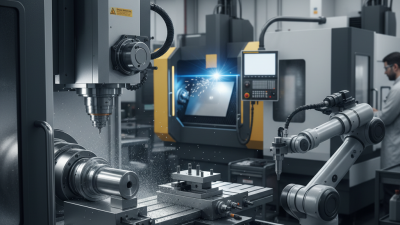
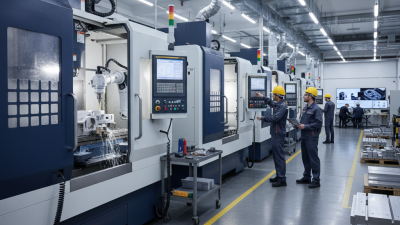
In recent years, the landscape of manufacturing has transformed significantly, especially in the realm of Metal CNC Machine technology. As we approach 2026, emerging trends promise to redefine how industries approach precision and efficiency. Increasing automation and smart technology integration are key aspects of this evolution.
Manufacturers seek machines that not only enhance productivity but also ensure quality. The shift towards sustainability is evident, with more companies prioritizing eco-friendly practices in their operations. Moreover, innovations in software and hardware will enable more complex designs with greater ease. These changes might lead to challenges, as adapting to rapid advancements can be daunting.
While the future of Metal CNC Machines looks promising, it raises questions about workforce training and resource allocation. Companies must invest in their teams to keep pace with technological shifts. Embracing change is crucial, yet it requires a flexible mindset to navigate this dynamic landscape.
Emerging Technologies in Metal CNC Machining for 2026
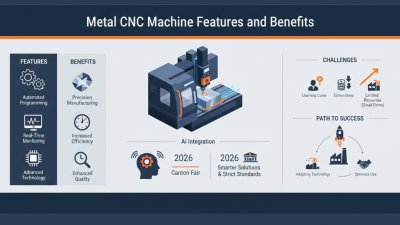
Emerging technologies are shaping the landscape of metal CNC machining for 2026. One significant trend is the integration of artificial intelligence (AI) in CNC machines. AI can optimize cutting paths, resulting in reduced waste and improved efficiency. This technology can analyze vast amounts of data, allowing for real-time adjustments during machining processes.
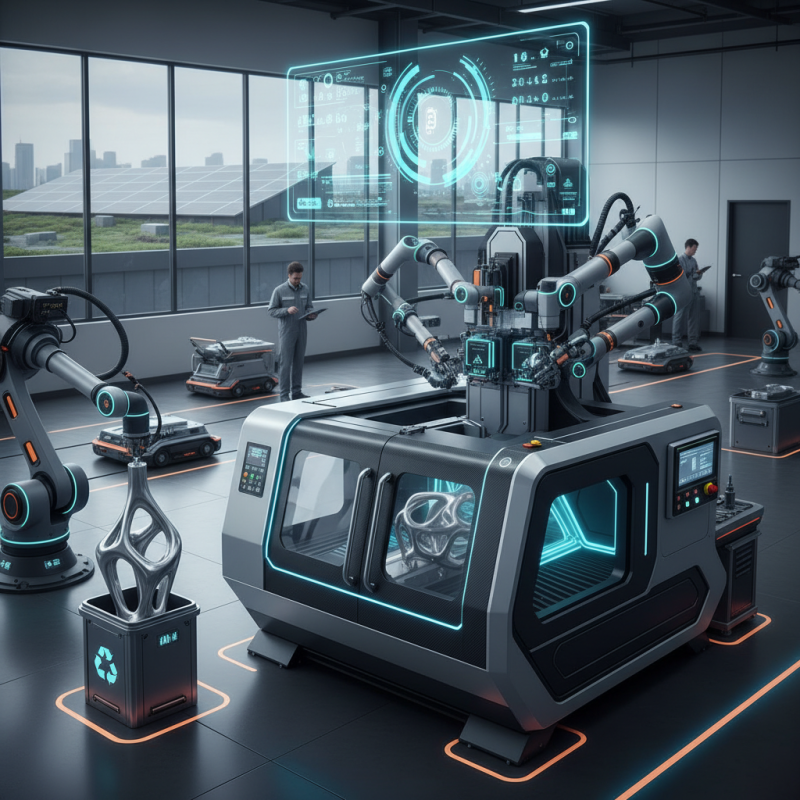
Additionally, additive manufacturing techniques are gaining traction. Combining traditional CNC with 3D printing opens new possibilities for complex geometries and lightweight components. These hybrid machines can reduce production times drastically. However, integrating these technologies is not without challenges. There may be compatibility issues, and workers will need training to adapt to new systems.
Another trend is the rise of smart factories. These facilities leverage the Internet of Things (IoT) to connect machines and devices. This connectivity can improve monitoring and predictive maintenance, potentially preventing costly downtime. Nonetheless, the reliance on digital technologies may pose cybersecurity risks. Businesses must invest in robust security measures to safeguard their operations. The future of metal CNC machining is exciting but requires careful consideration of these emerging challenges.
2026 Top Metal CNC Machine Trends
This chart illustrates the emerging technologies in metal CNC machining for the year 2026, highlighting the trends expected to shape the industry.
Key Features of Next-Generation CNC Machines
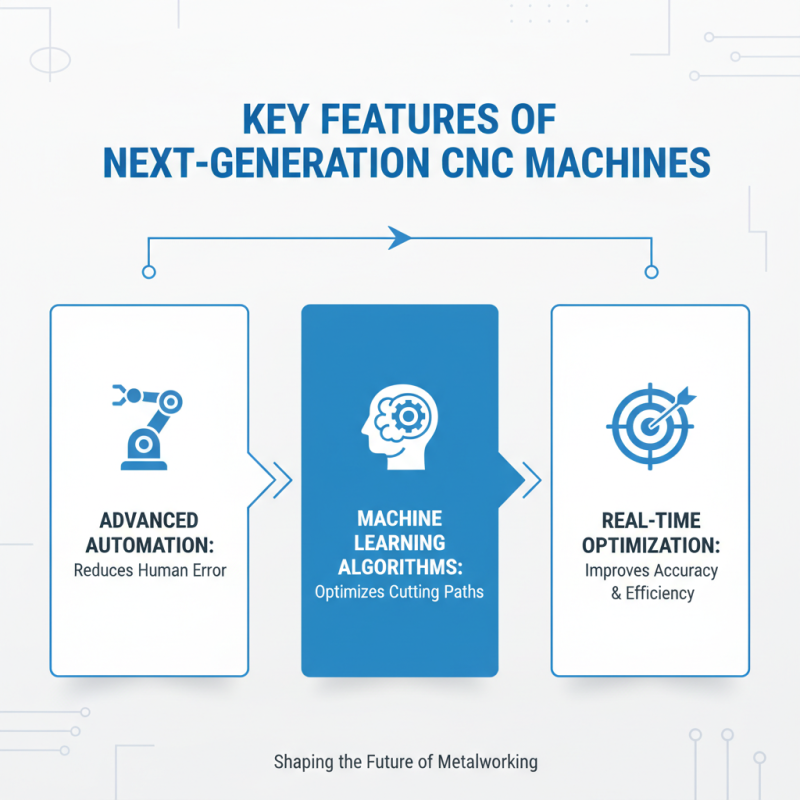
Next-generation CNC machines are evolving rapidly. Key features are shaping the future of metalworking. Advanced automation stands out. It reduces human error and increases efficiency on the shop floor. Machine learning algorithms can optimize cutting paths in real-time, improving accuracy.
Another important feature is enhanced connectivity. Modern CNC machines often support IoT integration, enabling remote monitoring. This allows operators to track performance metrics and diagnose issues instantly. Still, the reliance on technology can sometimes lead to vulnerabilities. Data security and system failures are concerns that require careful consideration.
Sustainability is also gaining importance. These machines consume less energy and generate less waste. Manufacturers are focusing on eco-friendly materials and processes. Yet, implementing these practices can be challenging. Balancing efficiency with sustainability is a complex task. The progress in CNC technology is promising, but there is still room for improvement.
The Role of Automation and AI in CNC Machining
The integration of automation and AI in CNC machining is transforming the industry. Automating tasks reduces the chances of human error, increasing precision. Machines equipped with AI can analyze data in real time. This capability allows for adaptive changes based on production needs. For instance, a machine can adjust its parameters dynamically during operation for optimal performance.
With AI, predictive maintenance is becoming feasible. Machines can forecast failures before they occur. This approach minimizes downtime and saves costs. However, reliance on technology raises questions about job displacement. Skilled operators will need to adapt to new roles. There is a fine balance between leveraging technology and maintaining a skilled workforce.
The future of CNC machining is undoubtedly linked to these advancements. Yet, the potential pitfalls should not be overlooked. As AI takes on more responsibilities, the human touch may diminish. Understanding this balance will be crucial for the industry’s evolution. Embracing these changes can lead to enhanced efficiency, but the need for skilled workers remains vital.
Sustainability Trends Impacting Metal CNC Manufacturing
Sustainability is revolutionizing the metal CNC manufacturing sector. Recent studies indicate that nearly 70% of manufacturers now prioritize eco-friendly practices. This change is crucial. The metal industry contributes significantly to global carbon emissions. Thus, adopting sustainable methods is no longer optional.
Recycling metal materials stands out as a key strategy. Reports show that recycled metals require 95% less energy than new materials. This not only reduces waste but also lowers production costs. However, many manufacturers struggle to implement these practices effectively. Some lack the necessary technology or training. This gap raises questions about long-term viability.
In addition, the shift towards renewable energy sources is gaining traction. In 2021, around 25% of CNC metal workshops began using solar energy. Yet, the transition hasn't been smooth for all. High initial costs and misinformation can hinder progress. Industry leaders must address these challenges to ensure sustainability becomes the standard, not the exception.
2026 Top Metal CNC Machine Trends You Need to Know
| Trend |
Description |
Impact on Sustainability |
| Energy Efficiency |
Advancements in CNC machine design that reduce power consumption. |
Lower energy use contributes to reduced carbon footprint. |
| Recyclable Materials |
Use of materials in CNC machines that can be recycled at the end of their lifecycle. |
Promotes a circular economy and reduces waste. |
| Automated Processes |
Implementation of automation in CNC machining to improve precision and reduce material waste. |
Increases efficiency and minimizes offcuts, leading to less resource wastage. |
| Smart Manufacturing |
Integration of IoT in CNC machines for real-time monitoring and control. |
Optimizes resource usage and reduces operational waste. |
| Sustainable Supply Chains |
Focus on sourcing materials and components sustainably. |
Reduces environmental impact across the entire supply chain. |
Market Predictions for CNC Machine Tools in 2026
The CNC machine tools market is evolving rapidly, driven by advances in automation and materials science. By 2026, many factories will expect smarter, more connected metal CNC machines. These tools will combine AI-based diagnostics and real-time adaptive control to improve precision and reduce waste. However, implementing these technologies requires significant upfront investment and skilled personnel. Not every manufacturer is ready for this shift, which could create gaps in adoption.
New alloys and composites call for machines with enhanced rigidity and thermal stability. To meet these demands, CNC tools will incorporate improved cooling systems and reinforced frames. Operators will need to adjust workflows and maintenance routines accordingly. This transition may cause temporary productivity slowdowns as teams learn to handle new setups. Such challenges highlight the importance of ongoing training and flexible production planning.
The increasing emphasis on sustainability will also shape the CNC market. Machines that minimize energy use without sacrificing output will gain favor. Predictive maintenance systems will reduce unplanned downtime by alerting users before failures occur. Yet, the integration of these features is complex, and some providers might overpromise capabilities. Critical evaluation and gradual adoption remain essential to harness benefits effectively.