China Top 10 Metal Cnc Machine Manufacturers for Quality and Precision?
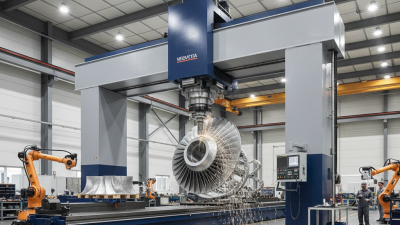
In recent years, the demand for precision in manufacturing has soared. Metal CNC machines play a crucial role in this pursuit. These machines offer unmatched accuracy and efficiency in metalworking. In China, many manufacturers have emerged that specialize in producing high-quality Metal CNC machines. They combine advanced technology with skilled craftsmanship.
Assessing the top companies in this sector involves careful evaluation. Quality and precision are non-negotiable in CNC machinery. It's essential to consider the reputation of manufacturers and their technological innovations. Many brands have built a legacy of reliability, but not all live up to expectations. This industry experiences constant change, where even established names can falter.
Understanding your needs is key when selecting a Metal CNC machine. The right choice can enhance productivity and streamline operations. However, potential buyers should be aware of the pitfalls. Some machines may seem promising but underdeliver in practice. Scrutinizing manufacturers and their offerings leads to better-informed decisions.
Overview of Metal CNC Machines and Their Importance in Manufacturing
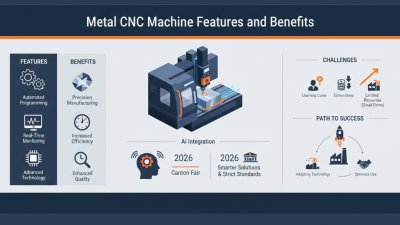
Metal CNC machines play a vital role in modern manufacturing. They enhance precision and efficiency, qualities that are critical in today's competitive market. According to a report by Grand View Research, the global CNC machining market is expected to reach $100 billion by 2027. This growth highlights the importance of these machines in producing complex parts with tight tolerances.
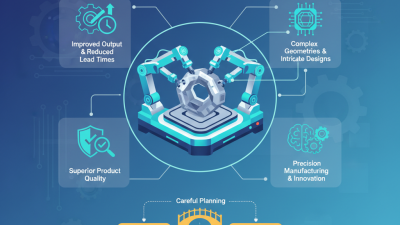
Manufacturers rely on CNC machines for their ability to create intricate designs with minimal human intervention. The implementation of CNC technology can reduce production times by up to 50%. Despite these advantages, some manufacturers face challenges in adopting CNC technology. High initial costs and the need for skilled personnel remain significant barriers. Many companies must reflect on how to adapt their workforce and strategies to leverage this advanced technology effectively.
Moreover, while CNC machines offer consistency, maintaining quality control can be demanding. Misalignment, tool wear, and programming errors can affect output. Continuous training and stringent quality checks are essential to overcome these issues. A comprehensive understanding of these challenges is crucial for manufacturers aiming for sustainable growth in a rapidly evolving industry.
Criteria for Evaluating Quality and Precision in CNC Machines
Evaluating the quality and precision of CNC machines is crucial for manufacturers. Various criteria help determine how well a machine performs. First, the machine’s build quality matters. Sturdy materials contribute to durability and accuracy. Machines built with high-quality components often show better results.
Next, precision in machining processes is key. Tolerance levels indicate how close the finished product is to the desired specifications. A machine that consistently meets tight tolerances proves its reliability. Regular calibration is essential. Even the best machines can drift from accuracy over time, necessitating frequent adjustments.
Furthermore, user feedback offers significant insights. Real-world experiences shape understanding of a machine’s capabilities. Companies should gather data from operators. They often notice nuances that manuals do not cover. Paying attention to both positive and negative feedback helps manufacturers improve their machines. The pursuit of quality in CNC machining is ongoing. There is always room for enhancement, ensuring that the industry evolves.
Quality and Precision Evaluation of CNC Machines
Top 10 Metal CNC Machine Manufacturers in China by Reputation
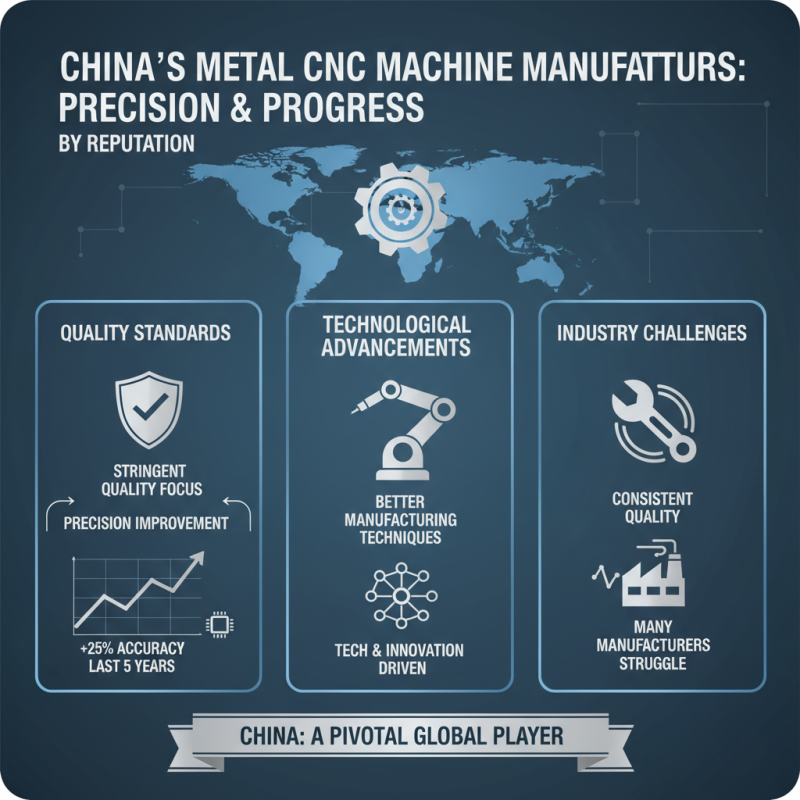
In the realm of metal CNC machining, China stands as a pivotal player. With stringent quality standards, the nation's manufacturers focus heavily on precision. According to a recent industry report, the accuracy of CNC machines has improved by 25% over the last five years. This is largely due to advancements in technology and better manufacturing techniques. However, achieving consistent quality remains a challenge for many manufacturers.
Moreover, the reputation of a manufacturer can greatly impact a business's success. A study indicated that over 70% of businesses prioritize reliability and brand reputation when selecting a CNC machine provider. This emphasizes the need for manufacturers to build trust through quality assurance practices. Notably, many companies still struggle with maintaining quality control in production, resulting in discrepancies and defects.
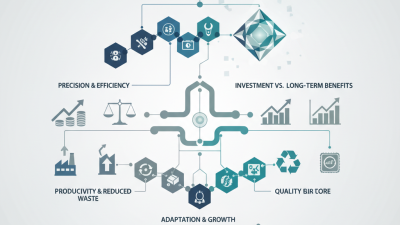
Investing in skilled labor and state-of-the-art technology can enhance output quality. Yet, not every manufacturer can afford this level of investment. This often leads to a variance in quality across the industry. Companies must critically assess their capabilities and innovate continuously, as staying relevant is crucial in this competitive environment. Emphasizing customer feedback can help refine products, but many manufacturers overlook this valuable resource.
Comparative Analysis of Features Offered by Leading Manufacturers
In the competitive landscape of CNC machining, quality and precision stand paramount. A recent industry report indicates that over 60% of manufacturers prioritize precision in metal CNC machines. This focus not only enhances product quality but also ensures long-term reliability. Key features such as advanced servo systems, user-friendly interfaces, and robust construction are commonly found across leading manufacturers' offerings. Recent surveys reveal that machines featuring linear guides and high-speed spindles significantly improve machining accuracy.
However, not every manufacturer excels in every aspect. Some machines struggle with thermal stability, leading to fluctuating precision over time. Reports suggest that 30% of users experience issues related to heat-induced warping, affecting performance. Additionally, the complexity of software interfaces can hinder user experience. Just 40% of users feel adequately trained on advanced features. This highlights the need for ongoing education and support in this rapidly evolving field. Addressing these gaps is essential for manufacturers aiming to enhance user satisfaction while maintaining high standards of quality and precision.
China Top 10 Metal CNC Machine Manufacturers for Quality and Precision
| Manufacturer |
Machine Type |
Max Precision (μm) |
Size Range (mm) |
Supported Materials |
Automation Level |
| Manufacturer A |
CNC Milling |
5 |
500 x 500 |
Aluminum, Steel |
Fully Automated |
| Manufacturer B |
CNC Turning |
3 |
300 x 300 |
Steel, Brass |
Semi-Automated |
| Manufacturer C |
CNC Laser Cutting |
1 |
2000 x 1000 |
Stainless Steel, Acrylic |
Fully Automated |
| Manufacturer D |
CNC Waterjet Cutting |
2 |
1500 x 3000 |
Ceramics, Metal |
Manual |
| Manufacturer E |
CNC EDM |
4 |
400 x 400 |
Steel, Copper |
Semi-Automated |