10 Essential Tips for Optimizing Your Aluminum Machine Efficiency
In the competitive landscape of manufacturing, optimizing your Aluminum Machine efficiency is crucial. Research indicates that companies in the aluminum industry could save up to 30% on operational costs through improved machinery performance. However, many businesses struggle with equipment underperformance and high energy consumption.
According to a report from the Aluminum Association, over 50% of manufacturers report inefficiencies linked to machine operation. These challenges can lead to delays, increased waste, and reduced profitability. While some companies have invested in new technologies, optimizing existing Aluminum Machines can yield significant benefits.
Investing time in fine-tuning your operational strategies can enhance productivity. Regular maintenance, employee training, and adopting innovative techniques are key. Reflecting on these areas can reveal potential gaps, driving your company to new levels of efficiency. Emphasizing a culture of continuous improvement often paves the way for better results.

Understanding Aluminum Machine Efficiency Metrics and KPIs
Aluminum machine efficiency is critical for maximizing production. Key performance indicators (KPIs) help measure efficiency. Metrics such as cycle time, scrap rate, and machine uptime are essential. For instance, a 2022 report from the International Aluminum Institute indicates that optimizing cycle time can increase output by up to 20%.
Understanding these metrics is vital. Cycle time directly affects production rates. If a machine operates at a 10% longer cycle, production decreases significantly. In addition, scrap rate impacts cost-effectiveness. According to industry data, reducing scrap by just 5% can lead to savings of thousands in overhead.
Monitoring machine uptime is another crucial aspect. The same report notes that industry leaders maintain over 90% uptime. However, achieving this requires consistent maintenance and operator training. Frequent breakdowns can disrupt production and lower efficiency. Challenges like operator error and equipment wear need serious reflection and proactive management. A commitment to continuous improvement is essential for long-term success.
Aluminum Machine Efficiency Metrics
This chart illustrates the effectiveness of different aluminum machining processes by comparing their efficiency metrics. The metrics include Cycle Time, Downtime, and Yield, which are crucial for understanding overall performance.
Assessing Tool Selection: Optimizing Machining Parameters for Aluminum
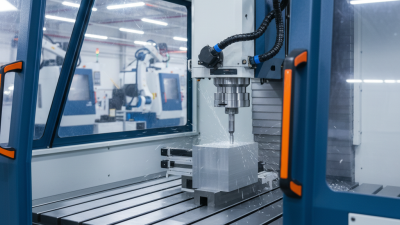
When it comes to machining aluminum, tool selection is crucial. The right tools can significantly impact efficiency and quality. A carbide end mill works well for many applications. However, its performance is highly dependent on the machining parameters. Adjusting the feed rate and cutting speed can lead to better results. Testing different combinations helps identify the optimal settings for specific tasks.
Machining parameters play a pivotal role in the overall process. For instance, a slower feed rate can reduce tool wear but may also prolong cycle time. Conversely, a faster feed may increase productivity but risk compromising surface finish. Finding the right balance often requires trial and error. Documentation of each configuration can help refine the process over time.
Additionally, don’t underestimate the importance of coolant. Proper cooling can enhance tool life and improve machining efficiency. Insufficient lubrication leads to increased friction, which can degrade tool performance. Observing how tools behave under different conditions allows for ongoing adjustments. Continuous improvement is key in the quest for optimal machining efficiency.
Implementing Preventive Maintenance to Enhance Aluminum Machine Longevity
Implementing preventive maintenance is crucial for enhancing aluminum machine longevity.
Regular upkeep can significantly reduce wear and tear. A well-maintained machine operates more efficiently. Monitoring key components, such as bearings and belts, is essential.
Replace worn parts promptly to prevent larger issues.
Scheduled maintenance checks can uncover hidden problems. Dust and debris can accumulate, leading to overheating and malfunctions.
Cleaning machines regularly can mitigate this risk. Data analysis also plays a key role.
Analyzing performance metrics can highlight inefficiencies before they escalate.
Operators should be trained to recognize early warning signs. This reduces downtime and costly repairs.
Invest time in creating a preventive maintenance schedule. It’s an ongoing process that requires diligence.
Small modifications can lead to substantial improvements over time.
Embracing a culture of maintenance fosters reliability and boosts productivity.
Utilizing Advanced Software for Process Simulation and Optimization
Advanced software plays a crucial role in optimizing aluminum machining processes. With simulation, manufacturers can create virtual models of their operations. This approach reduces trial and error, often leading to significant efficiency gains. According to a recent report by the Aluminum Association, companies using simulation tools can increase their machining efficiency by up to 20%.
These software solutions allow for detailed analysis. By examining variables like temperature and pressure, engineers can find the best settings for their machines. Studies indicate that precision in these parameters can decrease material waste by as much as 15%. However, not every company leverages these technologies effectively. Some still rely on outdated methods that lack the insights offered by modern simulations.
Incorporating simulation tools requires an initial investment. Yet, it can lead to long-term savings and productivity boosts. Indeed, a survey found that 70% of firms adopting advanced simulation saw improved output. Nevertheless, organizations must continually evaluate their software capabilities. Relying solely on technology without skilled operators can lead to suboptimal outcomes. The integration of experience and technology remains essential for true efficiency in aluminum machining.
Leveraging Real-time Data Analytics for Continuous Efficiency Improvement
Real-time data analytics stands as a powerful tool for aluminum machining efficiency. By leveraging data, operators can monitor machine performance actively. This allows quick identification of inefficiencies. For example, a sudden spike in energy consumption might indicate a need for maintenance. These insights are invaluable in preventing unexpected downtime.
Collecting data is only the first step. Analyzing this information requires expertise. Trends should be tracked regularly, which can reveal patterns that aren't immediately obvious. For instance, if certain tools wear out faster during specific operations, adjustments can be made. However, not all data may be relevant. Filtering out noise is essential to focus on what truly impacts efficiency.
Moreover, continuous improvement processes should be implemented. Real-time data can drive changes, but reflection is necessary. Teams must regularly assess the effectiveness of their strategies. Not every decision will yield the desired results. Some initiatives may falter, and that's okay. Learning from these outcomes leads to better future decisions.
10 Essential Tips for Optimizing Your Aluminum Machine Efficiency
| Tip Number |
Optimization Strategy |
Expected Efficiency Gain (%) |
Implementation Timeframe |
Description |
| 1 |
Predictive Maintenance |
15% |
3 Months |
Utilize real-time data to predict machine failures before they occur. |
| 2 |
Optimize Cutting Parameters |
10% |
2 Months |
Adjust feed rates and speeds based on material properties to enhance productivity. |
| 3 |
Data-Driven Quality Control |
12% |
4 Months |
Monitor output quality in real-time to minimize defects and rework. |
| 4 |
Energy Consumption Monitoring |
8% |
1 Month |
Track machine energy usage to identify waste and reduce costs. |
| 5 |
Workflow Automation |
20% |
6 Months |
Implement automated systems to streamline production flow. |
| 6 |
Employee Training Programs |
5% |
2 Months |
Enhance employee skills to operate machines more effectively and safely. |
| 7 |
Tooling Upgrades |
18% |
5 Months |
Invest in higher-quality tools to reduce downtime and improve cut quality. |
| 8 |
Enhance Software Interfaces |
7% |
3 Months |
Improve user interface of software for ease of monitoring and operation. |
| 9 |
Lean Manufacturing Techniques |
16% |
6 Months |
Apply lean principles to minimize waste and improve processes. |
| 10 |
Real-time Data Visualization |
14% |
2 Months |
Implement dashboards for easy access to real-time performance metrics. |