10 Essential Tips for Optimizing Your Vertical Machine Performance?
In today’s competitive landscape, optimizing your Vertical Machine performance is crucial for success. Many industries rely on these machines for efficiency and output. However, not all users achieve their desired results. Understanding the essential tips for effective operation can make a significant difference.
Vertical Machines are complex systems that require proper handling and maintenance. Users often overlook basic principles that can enhance performance. Small adjustments can lead to significant improvements. Attention to detail is vital. Every setting influences the overall output and efficiency. Mistakes can lead to delays and increased costs.
Experience shows that consistency is key. Regular inspections and calibrations will help maintain the machine's quality. Operators should also stay informed about the latest developments. Constant learning can prevent stagnation and errors. Embracing best practices will ultimately lead to trust in your Vertical Machine’s capabilities.
Understanding the Basics of Vertical Machine Performance Optimization
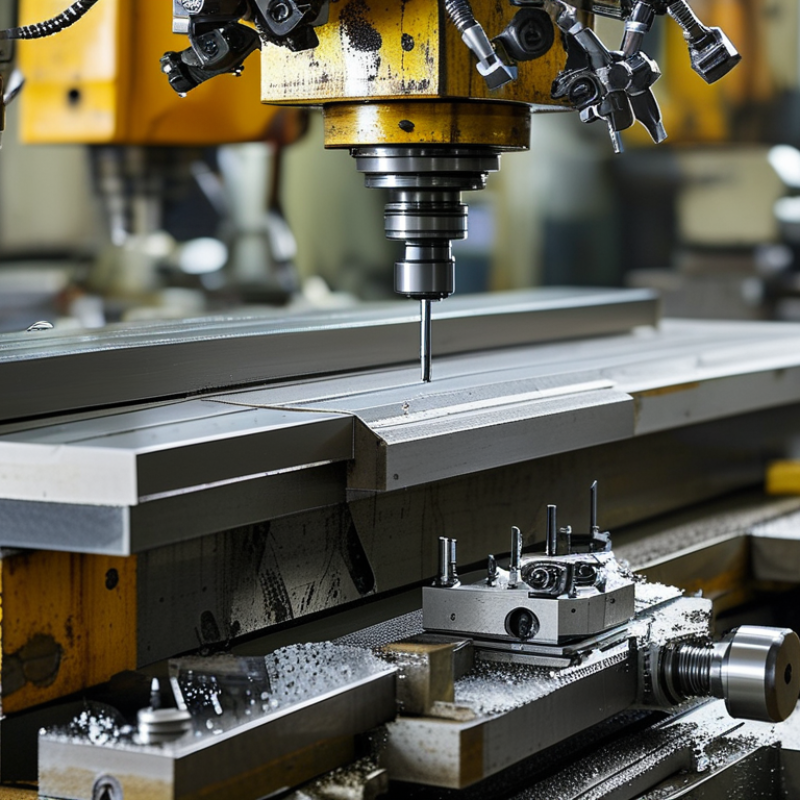
Optimizing vertical machine performance begins with understanding its fundamental components. These machines rely on precise alignment, powerful motors, and efficient programming. A solid understanding of these aspects is crucial for any operator looking to enhance performance.
One important tip is to regularly calibrate your machine. Misalignment can lead to significant performance loss. Check for any signs of wear on the parts. Even minor damages can impact accuracy. Regular maintenance not only improves performance but also extends the lifespan of the equipment.
Another key focus should be on the software aspect. Ensure that your programming is optimized for the specific tasks at hand. Simplifying code can reduce processing time. Sometimes, complex programming leads to unnecessary delays. Mistakes in the code can result in performance dips, so regular reviews are essential.
Finally, keep an open mind towards exploring new techniques and technologies. What worked yesterday may not be the best solution today. Adapting to changes is vital in maintaining top-notch performance. Keeping your skills updated can make all the difference in efficiency and output.
Key Factors Influencing Vertical Machine Efficiency and Output
Vertical machines have specific factors that significantly impact their performance. Understanding these factors is essential for enhancing efficiency and maximizing output. One crucial element is machine calibration. Regular checks and adjustments can lead to improved precision and reduced errors. Operators should pay close attention to alignment and settings to ensure optimal functioning.
Another essential factor is the quality of the material used. Subpar materials can cause unexpected wear and tear. Investing in high-quality resources can mitigate these issues. Additionally, regular maintenance is key. Neglect can lead to inefficiencies. Over time, components may not perform as well, causing potential downtime.
Finally, operator training cannot be overlooked. Skilled operators are less likely to make mistakes. Their expertise makes a noticeable difference in daily operations. Continuous education helps them stay updated on best practices. Machines may require adjustments, but people are the backbone of optimized performance.
Regular Maintenance Practices to Enhance Machine Longevity
Maintaining your vertical machine is crucial for performance and longevity. Regular inspections can prevent unexpected breakdowns. Create a maintenance schedule to follow consistently. Look for wear on key components. Regularly check belts and bearings for friction and damage. A small issue can escalate into a significant problem.
Tip: Always lubricate moving parts. This simple step reduces friction and wear, improving efficiency. Clean your machine often to avoid dust buildup. Dust can lead to overheating, decreasing performance. Ensure all safety features are functional to avoid accidents.
Lastly, remember to track operating hours. Use this data to anticipate parts replacement and maintenance needs. Ignoring small signs of wear can cause larger, costly failures. Being proactive pays off, increasing your machine's lifespan and reliability.
Advanced Techniques for Fine-Tuning Machine Settings and Parameters
Optimizing the performance of your vertical machine involves meticulous attention to settings and parameters. Advanced techniques can significantly enhance productivity and efficiency. According to recent industry reports, fine-tuning machine settings can lead to a 15-20% increase in operational efficiency.
One critical tip is to regularly assess the feed rate. Adjusting it based on material type and thickness can yield better results. Precision is key; small increments in feed rate adjustments may result in substantial improvements. Another important aspect is to monitor the spindle speed. Research indicates that optimal spindle speed varies by application. Misalignment can lead to performance drop-offs.
Don't overlook the importance of regular maintenance. Machine wear can affect performance. Scheduled servicing ensures consistent output quality. Consider using advanced diagnostic tools to predict potential issues. This proactive approach can minimize downtime. Reviewing machine parameters periodically can also prevent inefficiencies. Constant reflection on settings can help identify areas for improvement, driving better outcomes for your operations.
Utilizing Data Analytics for Continuous Performance Improvement
In today's competitive environment, utilizing data analytics can drastically enhance vertical machine performance. Recent studies indicate that companies employing data analytics see a 15-20% increase in equipment efficiency. This statistic underscores the importance of integrating analytics for performance tracking.
One crucial tip is to regularly review performance metrics. By analyzing downtime data, you can identify patterns and potential issues. For instance, if a machine frequently fails at a certain time, targeted maintenance can be scheduled to minimize disruptions. Another tip is to embrace predictive analytics based on historical data. This approach can preemptively address maintenance needs, reducing unexpected failures and extending machine lifespan.
Ensure your team is well-versed in data interpretation. Knowledge dissemination helps in making informed decisions swiftly. Rely on data-driven insights to adjust operations. This adaptability is vital for continuous improvement. Although the process might seem daunting, it's essential for sustained performance growth. Assess your current practices and refine them continuously to stay ahead.