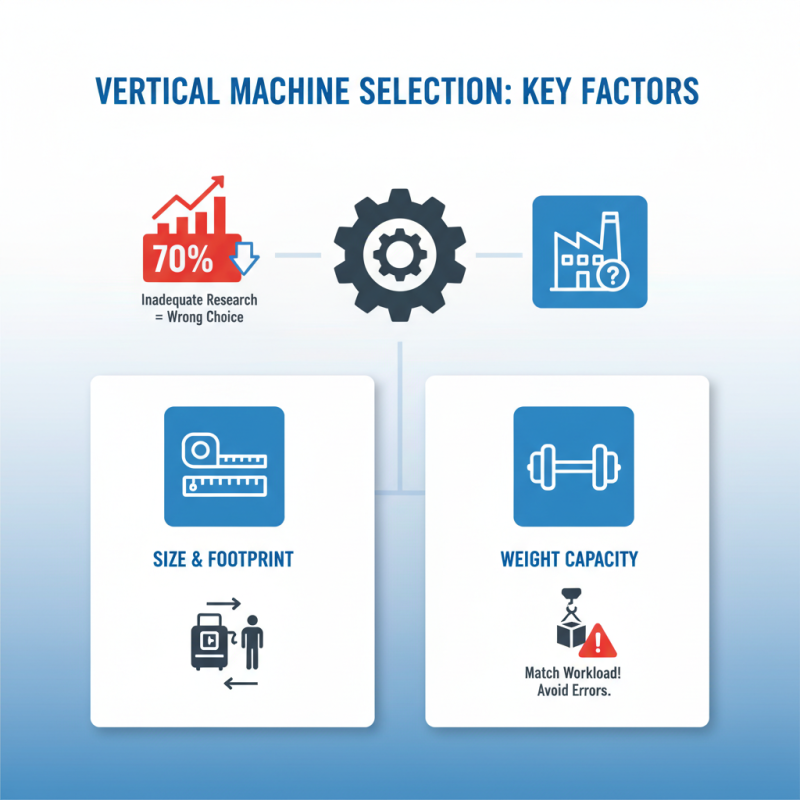
How to Choose the Best Vertical Machine for Your Business?
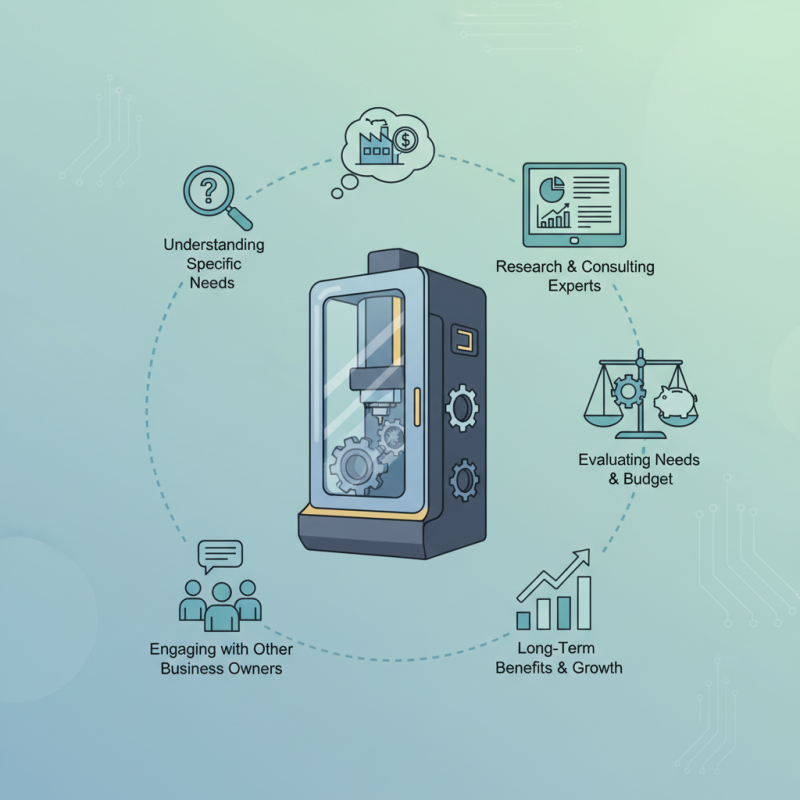
Choosing the right Vertical Machine for your business is crucial. It impacts efficiency and productivity. A good choice can lead to significant growth. Understanding your specific needs is essential. Vertical Machines vary in features, capabilities, and price points. Thus, careful consideration is vital.
You must evaluate what type of work you'll be doing. Different industries require different specifications. For example, manufacturing may need robust features, while smaller businesses may focus on cost efficiency. It's easy to get overwhelmed by options. Not every model suits every business.
Research is important. Consulting experts or industry reviews can provide valuable insights. However, no machine is flawless. Each model has strengths and weaknesses. Identifying these can prevent costly mistakes later. Engage with other business owners or operators. Their experiences with Vertical Machines can help guide your decision. Balancing needs, budget, and long-term benefits can be challenging but rewarding.
Understanding Vertical Machines and Their Applications
When considering vertical machines, it’s crucial to understand their applications. Vertical machines can enhance operations in various sectors, including manufacturing, packaging, and pharmaceuticals.
According to a recent study from Industry Research, the global vertical machining center market is expected to grow at a CAGR of 5.2% between 2021 and 2026. This reflects the increasing demand for precision in manufacturing processes.
Different industries leverage vertical machines for diverse tasks. For example, in automotive manufacturing, these machines are used for cutting and refining parts. Their ability to handle large materials is a significant advantage. However, using vertical machines does require an upfront investment and a certain level of expertise to operate them effectively.
A report from the American Society of Mechanical Engineers indicated that nearly 30% of vertical machine users felt unprepared for advanced operations. This highlights the need for proper training and support to maximize efficiency.
Choosing the right vertical machine ultimately depends on your business needs. Understanding your production requirements is key. The right machine should align with your operational goals. Industry experts suggest evaluating factors such as
precision, speed, and versatility. Inadequate consideration of these aspects may lead to operational bottlenecks. Continuous evaluation and adaptation to new technologies will be essential for maintaining competitiveness in the market.
Evaluating the Size and Capacity Requirements for Your Business
Choosing the right vertical machine for your business starts with understanding size and capacity needs. A report by Allied Market Research indicates that the demand for vertical machines is projected to grow significantly, reflecting industry shifts. Businesses need equipment that matches their specific production volume. Overestimating your needed capacity may lead to unnecessary expenses.
Consider the physical dimensions of the machine. It must fit within your workspace, but that’s not the only factor. The height, width, and depth dictate not only the footprint but also how it interacts with existing equipment. A survey from Machinery Manufacturers of America revealed that 35% of businesses faced operational delays due to improper machinery size.
Also, pay attention to your current and future production needs. Your machine should handle peak loads without strain. It’s a balancing act. Too small can lead to bottlenecks. Conversely, oversizing can waste energy and resources. Analyze your workflow critically. Recognizing these subtleties can benefit your bottom line.
Assessing the Technology and Features of Vertical Machines
When selecting vertical machines for your business, consider their technology and features carefully. Look for cutting-edge technology that improves productivity and efficiency. Automated systems can minimize manual tasks, helping to streamline operations. However, be cautious about over-reliance on technology. Sometimes, a simpler solution may better suit your needs.
Assessing the machine's features is also crucial. Focus on its adaptability, ease of use, and maintenance requirements. A user-friendly interface can enhance training and efficiency. But keep in mind that advanced features may come with complexities. Not every business needs the most sophisticated machine. Consider your current and future demands.
Lastly, reliability is vital. Research the machine's performance history and customer feedback. A machine may look impressive on paper but deliver inconsistent results in real-world applications. It's essential to reflect on your specific situation and capabilities as you make your choice. A thoughtful decision today can lead to greater success down the road.
Vertical Machine Technology Features Comparison
This chart compares performance metrics of different vertical machines based on their speed, power consumption, precision, automation level, and energy efficiency. Choose the right machine by considering these essential features relevant to your business needs.
Budgeting and Cost Considerations for Vertical Machine Acquisition
When considering the acquisition of a vertical machine, budgeting plays a critical role. The initial cost is just one aspect. Maintenance, operational costs, and potential downtime should also be factored into your budget. For businesses, the total cost of ownership can vary significantly. A higher initial investment might lead to savings in the long run through efficiency and reliability.
Evaluate your financial capacity carefully. It isn't just about the purchase price. Look at how financing options could impact cash flow. Small businesses might struggle with larger upfront costs. However, leasing might offer a budget-friendly alternative. Also, make sure to account for training costs. Users need to understand how to operate the machine effectively. This often gets overlooked.
Additionally, analyze the return on investment (ROI) for the chosen machine. Expectation mismatch is common. Some assume their investment will yield immediate returns. This can lead to disappointment. Consider realistic timelines and potential challenges. Engaging with experts or consultants can provide valuable insights. They can help clarify potential costs and benefits.
How to Choose the Best Vertical Machine for Your Business? - Budgeting and Cost Considerations for Vertical Machine Acquisition
| Machine Type |
Initial Cost ($) |
Maintenance Cost/Year ($) |
Energy Consumption (kWh) |
Production Capacity (Units/Hour) |
| Vertical CNC Machine |
25,000 |
1,500 |
15 |
50 |
| Vertical Milling Machine |
18,000 |
800 |
10 |
40 |
| Vertical Injection Molding Machine |
30,000 |
1,200 |
20 |
60 |
| Vertical Band Saw |
12,000 |
500 |
8 |
30 |