China Best Three Axis CNC Machine for Optimal Precision?
In the evolving landscape of precision machining, the "Three Axis CNC Machine" stands out for its versatility. Renowned expert Dr. James Kwan, a specialist in advanced manufacturing technologies, emphasizes, "The precision offered by a well-calibrated Three Axis CNC Machine can transform productivity." This statement underscores the machine's significance in industries ranging from aerospace to automotive.
Manufacturing demands are continuously growing. This places a premium on using effective machinery, particularly for intricate designs. The Three Axis CNC Machine offers capability and reliability but isn't without challenges. Operators must ensure proper programming to avoid costly errors.
The importance of skilled personnel remains crucial. Experienced operators contribute significantly to the accuracy and efficiency of the machinery. Investing in training can bridge the gap between potential and performance. As technology advances, the adaptability of the Three Axis CNC Machine will determine its relevance in the years ahead.
Overview of Three Axis CNC Machines in China
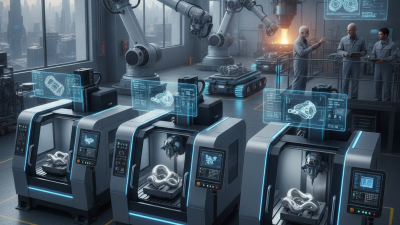
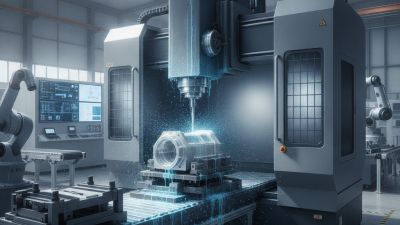
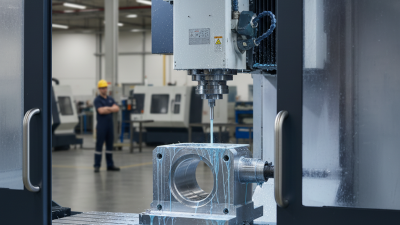
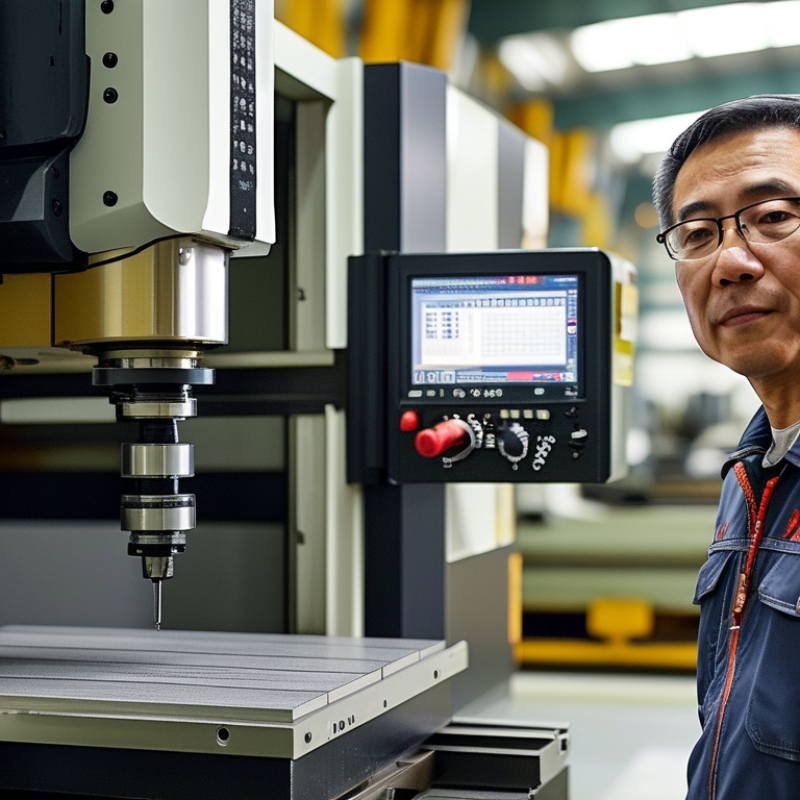
Three-axis CNC machines play a crucial role in modern manufacturing across various industries. These machines operate on three different axes, allowing them to perform intricate cutting, milling, and drilling tasks efficiently. In China, a surge in technological advancements has led to increased demand for these machines. Industries ranging from automotive to aerospace heavily rely on CNC technology for precision and consistency.
Despite their advantages, three-axis CNC machines come with challenges. Operators may face difficulties with setup, calibration, and maintenance. A lack of skilled personnel can hinder optimal performance and lead to errors. Additionally, these machines may require frequent adjustments to maintain accuracy, especially when dealing with complex designs.
Investing in quality training programs for operators can improve these situations significantly. Understanding the machine's capabilities can minimize mistakes during operation. Observing experienced professionals can further bridge knowledge gaps. Ultimately, fostering a culture of continuous improvement can enhance the overall efficiency of three-axis CNC operations.
Key Features of High Precision Three Axis CNC Machines
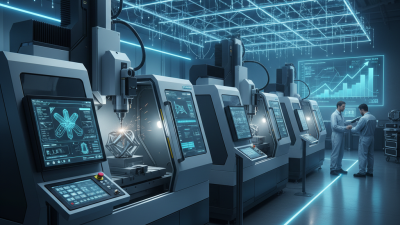
When it comes to high precision three axis CNC machines, several features stand out. Precision is critical in machining. Some machines offer accuracy within ±0.005 mm. That's a remarkable standard in the industry, often seen in high-end models. A report from the International Journal of Advanced Manufacturing Technology notes that precision influences the overall production cost by as much as 30%. This highlights the importance of choosing the right machine.
Another key feature is the robustness of the control systems. Many machines utilize advanced soft and hardware for real-time adjustments. This helps in maintaining stability during operations. Additionally, the build quality and materials used in machines often directly affect longevity. Data from the CNC Machine Market Analysis highlights that machines made from high-grade alloys tend to have lower failure rates. However, manufacturers sometimes overlook maintenance needs, leading to inconsistent performance.
Furthermore, user-friendly interfaces are becoming increasingly important. Machines with intuitive controls reduce training time significantly. Users can spend more time focusing on production rather than learning complex systems. Yet, not all brands prioritize this feature, leaving some machines difficult to operate. Thus, while many three axis CNC machines excel in precision, attention to usability should not be neglected.
Performance Comparison of High Precision Three Axis CNC Machines
Top Manufacturers of Three Axis CNC Machines in China
China has emerged as a leader in the manufacturing of three-axis CNC machines. These machines are crucial for precision engineering, widely used in industries ranging from automotive to aerospace. According to industry reports, the demand for CNC machines in China is projected to grow at a CAGR of 5.6% from 2021 to 2026.
This growth highlights the ongoing advancements in technology and the need for accurate manufacturing processes.
Top manufacturers in China focus on producing high-quality three-axis CNC machines. Recent data indicates that these machines can achieve precision tolerances of ±0.01 mm, making them ideal for complex machining tasks. However, companies still face challenges in maintaining consistency in production quality. Factors such as operator skill and machining conditions play a significant role.
Some manufacturers have begun implementing AI-driven solutions to address these issues, but the effectiveness often varies. The competition among manufacturers leads to a variety of designs and specifications. While many machines boast impressive features, not all live up to the promise of reliability under heavy use.
Some models may not deliver the expected output, raising concerns about long-term performance. Buyers should carefully evaluate machine specifications and seek user reviews to ensure they make informed choices. This attention to detail can prevent costly operational setbacks in the long run.
Applications and Industries Utilizing Three Axis CNC Technology
Three-axis CNC machines are increasingly vital in various industries. Their applications range from automotive to aerospace. In automotive manufacturing, these machines create precision parts, such as gears and brackets. The accuracy of three-axis machines allows for tight tolerances, reducing waste.
In the aerospace sector, three-axis CNC machines play a critical role. They produce components for aircraft, ensuring safety and reliability. Parts like wings and fuselage sections demand extreme precision. However, the complexity of designs can challenge operators. Often, mistakes occur during programming or setup, leading to imperfections.
Additionally, industries such as consumer electronics benefit from three-axis CNC technology. These machines manufacture intricate components, like housings and circuit board layers. Despite their efficiency, operators must remain vigilant. Small errors in tooling can result in significant setbacks. Regular training and quality checks are essential to maintain standards. The potential for human error calls for a proactive approach in these high-stakes fields.
Choosing the Right Three Axis CNC Machine for Your Needs
When selecting a three-axis CNC machine, it's crucial to understand your needs. What materials will you work with? This impacts your decision significantly. Consider whether you'll be cutting wood, metal, or plastic. Each material demands different types of cutting tools and spindle speeds. Matching your machine's specifications with your project requirements can enhance overall performance.
Another critical factor is the machine's software capabilities. Advanced software can streamline the design process and improve precision. However, not all software is user-friendly. It's essential to ensure that you and your team can effectively use the technology. A steep learning curve may slow down production initially.
Furthermore, consider the machine's durability and support services. Often, buyers overlook these aspects. A reliable after-sales service can save time and frustration during setup. It also provides assurance in case of technical issues. Take time to research and seek reviews from other users. Inevitably, you'll face challenges. Finding a balance between cost and quality is never easy. Each choice has its pros and cons, and reflecting on your specific needs will guide you toward the right decision.