Why Choose VMC Machine for Your Next Manufacturing Project?
In the world of modern manufacturing, selecting the right equipment is crucial. The VMC machine stands out as a top choice for precision and efficiency. According to a report by Grand View Research, the CNC machine market is projected to reach $100 billion by 2026, driven by a surge in automated production processes. This clearly indicates the growing reliance on advanced machinery.
VMC machines offer exceptional versatility, accommodating various materials and complex designs. They can increase production speed by up to 30%, as highlighted by a survey from Modern Machine Shop. However, companies must also consider the costs associated with maintenance and operator training, which can impact overall productivity.
While VMC machines promise high accuracy, relying solely on them may lead to potential challenges. Ensuring proper calibration and skilled operators is essential to maximize their benefits. Investing in a VMC machine can yield significant returns, but thorough research and understanding of your manufacturing needs is essential.
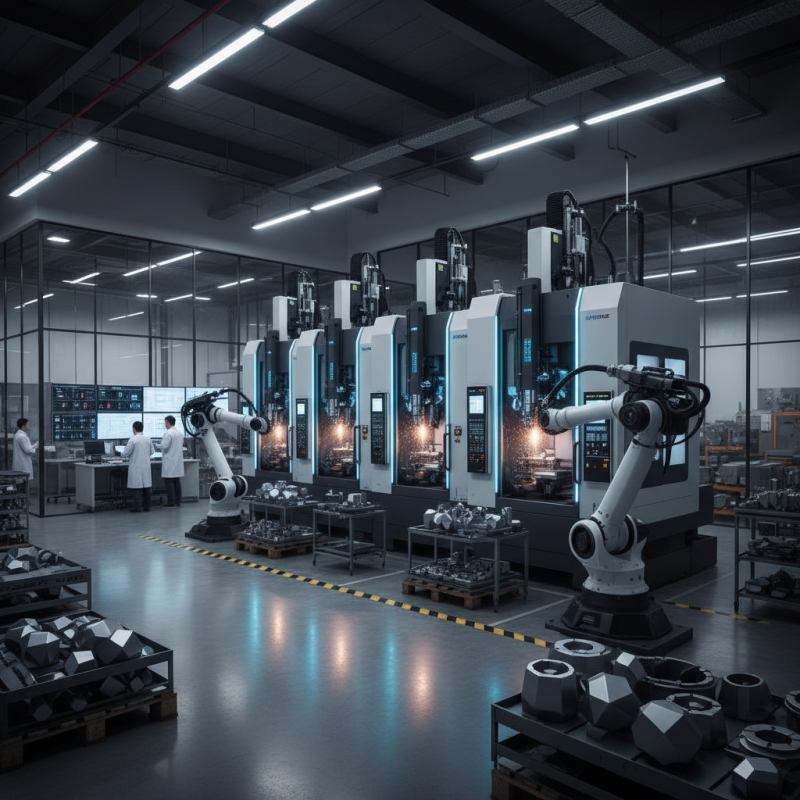
Benefits of Using VMC Machines in Modern Manufacturing
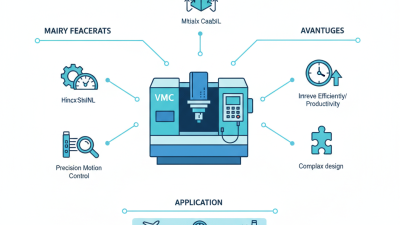
In modern manufacturing, VMC (Vertical Machining Center) machines offer significant advantages. These machines enhance precision in production, allowing for intricate designs. Their automatic tool changing feature reduces downtime. Operators can benefit from increased productivity without sacrificing quality. The versatility of VMC machines facilitates the manufacturing of various components in different materials. This adaptability is essential in meeting diverse client needs.
Using VMC machines, manufacturers can produce parts with tighter tolerances. This precision can minimize waste and improve overall efficiency. However, it requires skilled operators familiar with the technology. Even experienced operators may face challenges in optimizing machine settings. The learning curve can be steep, and improper use may lead to errors. Continuous training is necessary to maximize the machine's potential.
The integration of VMC machines can streamline processes. Nevertheless, transitioning to this technology may involve initial costs and adjustments. Some companies may hesitate to adopt it due to uncertainty. They need to weigh the benefits against potential drawbacks carefully. Addressing these concerns requires thorough research and expert advice. Embracing VMC technology can ultimately lead to long-term advantages in manufacturing.
Why Choose VMC Machine for Your Next Manufacturing Project? - Benefits of Using VMC Machines in Modern Manufacturing
| Benefit |
Description |
Impact on Manufacturing |
| Precision |
VMC machines deliver high accuracy in machining parts. |
Improves product quality and reduces waste. |
| Versatility |
Can process various materials and complex shapes. |
Enables diverse product range and customization. |
| Efficiency |
Reduces machining time with rapid tool changes. |
Increases production speed and lowers costs. |
| Automation |
Can be integrated with CNC and robotic systems. |
Enhances operational efficiency and reduces labor costs. |
| Consistency |
Maintains uniform quality across all produced parts. |
Establishes brand reliability and customer trust. |
Key Features of VMC Machines that Enhance Production Efficiency
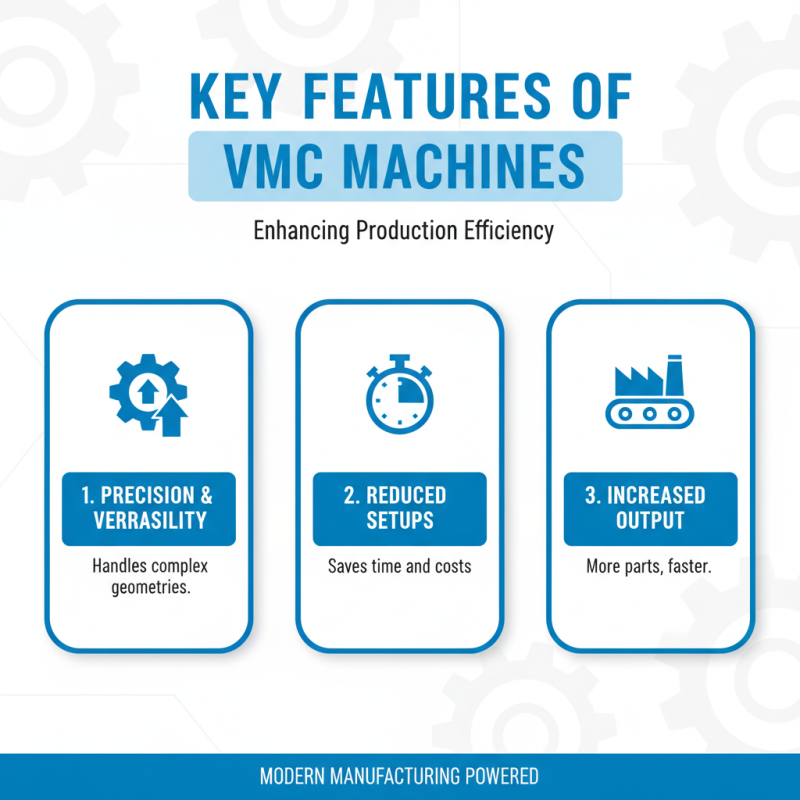
VMC machines are pivotal in modern manufacturing. Their precision and versatility enhance production efficiency significantly. These machines can handle complex geometries with ease. This capability reduces the need for multiple setups, saving both time and costs.
One key feature is the ability to automate processes. Automation minimizes human error and increases output consistency. Additionally, VMC machines often come equipped with high-speed spindles. This allows for faster material removal rates, which accelerates production timelines. Tools can be changed automatically, further streamlining workflows.
However, relying solely on technology can present challenges. Operators must be trained to optimize machine capabilities. Without proper knowledge, inefficiencies can surface. Regular maintenance is also crucial. Neglecting this can lead to unexpected downtime. Thus, understanding both the strengths and limitations of VMC machines is essential for maximizing their benefits.
Comparison of VMC Machines with Traditional Machining Methods
When comparing VMC machines to traditional machining methods, several clear advantages emerge. VMC machines offer higher precision. They can achieve tight tolerances through their computer-controlled operations. In contrast, traditional methods often rely on manual adjustments. This can lead to variations in quality and increased error margins.
Another significant difference is the speed of production. VMC machines are designed for rapid cycle times. This results in faster turnaround for projects. Traditional machining methods can be time-consuming. Setup times, tool changes, and manual setup all add to the duration of the manufacturing process.
Tip: When choosing a machining method, assess your project requirements. Consider aspects like precision and turnaround times. Evaluate if your team has the technical expertise for VMC operations.
Moreover, VMC machines can handle complex designs more effectively. They can easily switch between different tasks without major delays. Traditional methods may struggle with intricate geometries. These limitations can hinder innovation and design flexibility in your projects.
Tip: Don’t overlook operator training. Even the best machines require skilled personnel. Investing in knowledge ensures you truly benefit from VMC technology.
Applications of VMC Machines in Various Industries
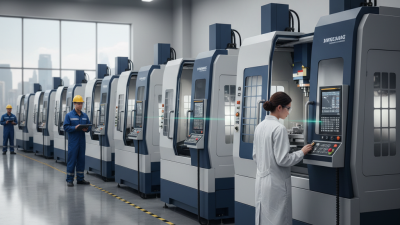
VMC machines are versatile tools used across various industries. In automotive manufacturing, they excel in creating precision parts. The ability to machine complex geometries ensures components fit perfectly. This minimizes the risk of malfunction in critical applications. Coupled with advanced CAD software, VMC machines streamline production processes. However, the initial setup can be time-consuming. Proper calibration and tool selection are essential for optimal performance.
In aerospace, VMC machines play a significant role as well. They craft lightweight and durable components crucial for aircraft. Machining intricate designs on wing structures is common. However, ensuring adherence to strict safety standards requires constant monitoring. Operators must stay up-to-date with new regulations and machine capabilities. This continuous process can be challenging, leading to potential oversights.
Manufacturers in the medical field also utilize VMC technology. They produce highly detailed instruments and implants that meet strict quality requirements. The precision of these machines means better patient outcomes. Yet, the evolving nature of medical regulations may complicate manufacturing schedules. Adapting to these changes while maintaining quality is an ongoing challenge. Each industry leverages VMC machines uniquely, showcasing their importance in modern manufacturing.
Cost-Effectiveness and ROI of Investing in VMC Technology
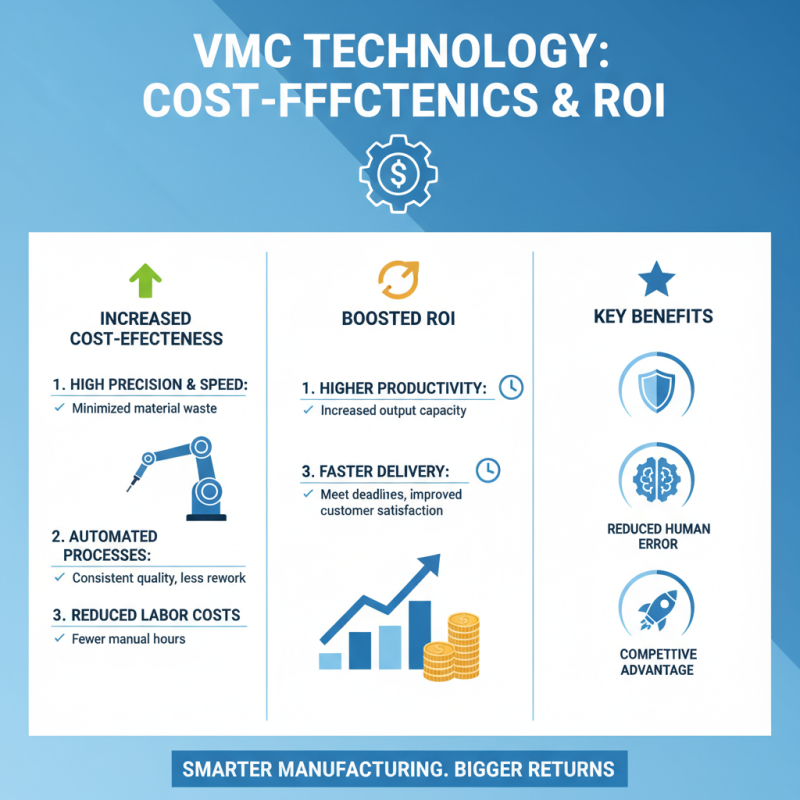
Investing in Vertical Machining Center (VMC) technology can significantly boost your manufacturing project’s cost-effectiveness. VMC machines offer high precision and speed, often resulting in lower labor costs. By automating processes, manufacturers can reduce human error, leading to consistent quality. This efficiency translates to higher productivity, allowing businesses to meet tight deadlines without compromising standards.
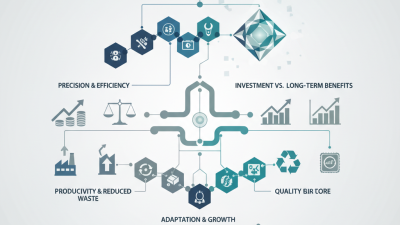
The initial investment in VMC may seem substantial. However, the long-term return on investment (ROI) can be impressive. Reduced scrap rates and faster production cycles often lead to increased profits. Companies can produce intricate designs with less material waste, maximizing resource utilization. Yet, it’s crucial to analyze your specific needs. A thorough assessment helps determine if VMC technology aligns with your manufacturing goals.
While the benefits are clear, there are challenges. Training staff to operate advanced VMC machines can be time-consuming. The steep learning curve may slow initial production rates. Businesses must be prepared for this adjustment period. Regular maintenance is also essential to keep machines running smoothly and to avoid costly downtimes. Balancing these factors requires thoughtful consideration to fully harness the advantages of VMC technology.