





Metal and Non-Metal Processing: Is 5-axis or 3/4-axis More Suitable?
In the field of metal and non-metal processing, enterprises often struggle with choosing between 5-axis and 3-4 axis equipment. The differences in processing capabilities, costs, and other aspects among equipment with different numbers of axes directly affect processing efficiency and product quality.
3-axis equipment, which only has three linear motion axes (X, Y, and Z), is suitable for processing simple planes or regular shapes, such as cutting ordinary metal plates and simple non-metal plane engraving. It is easy to operate and has low equipment costs. However, it is inadequate when dealing with complex curved surfaces or tasks requiring multi-angle processing.

4-axis equipment, based on the 3-axis system, adds a rotating axis (such as the A-axis), enabling the workpiece or tool to perform rotational movement. This allows it to process parts with certain inclined surfaces or cylindrical shapes, such as automobile wheel hubs and simple mold cavities. 4-axis equipment can reduce the number of clamping operations, improve processing accuracy and efficiency, and has a relatively moderate cost, making it suitable for processing needs of medium complexity.
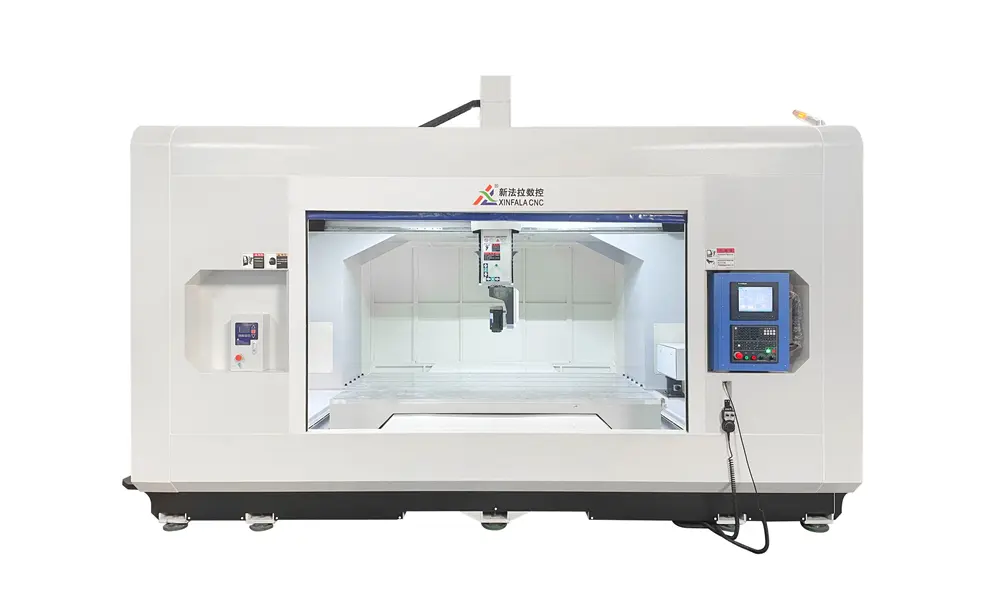
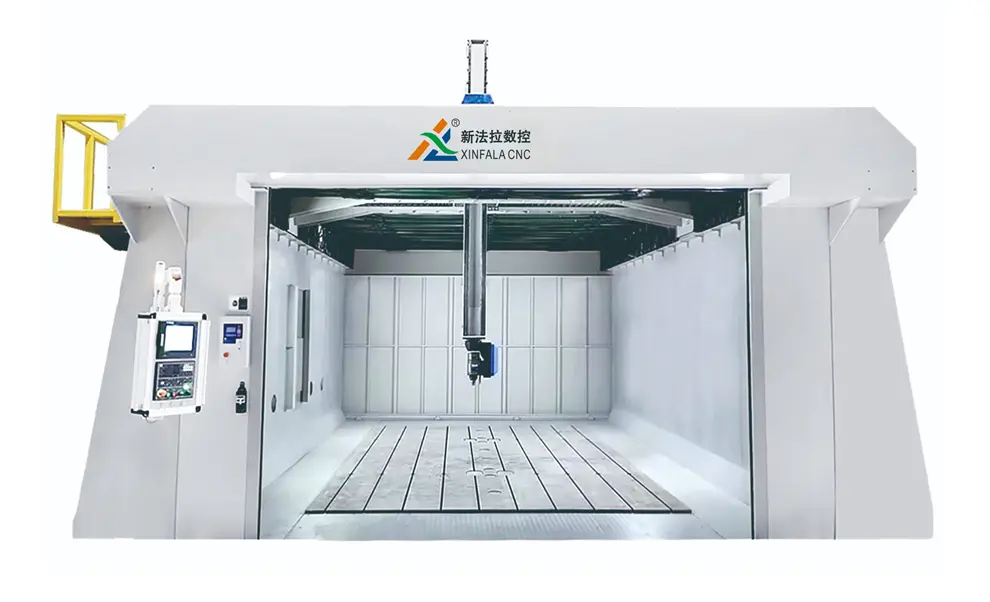
5-axis equipment is equipped with two rotating axes (such as combinations of A and B axes or A and C axes), enabling the tool or workpiece to move in five degrees of freedom. It can complete the processing of complex curved surfaces and undercut structures in one go without multiple clamping, significantly improving processing accuracy and efficiency. It is often used in the processing of high-precision and complex products such as aerospace components, high-end molds, and medical devices. However, 5-axis equipment is expensive, with complex programming and operation, and has high requirements for technical personnel.
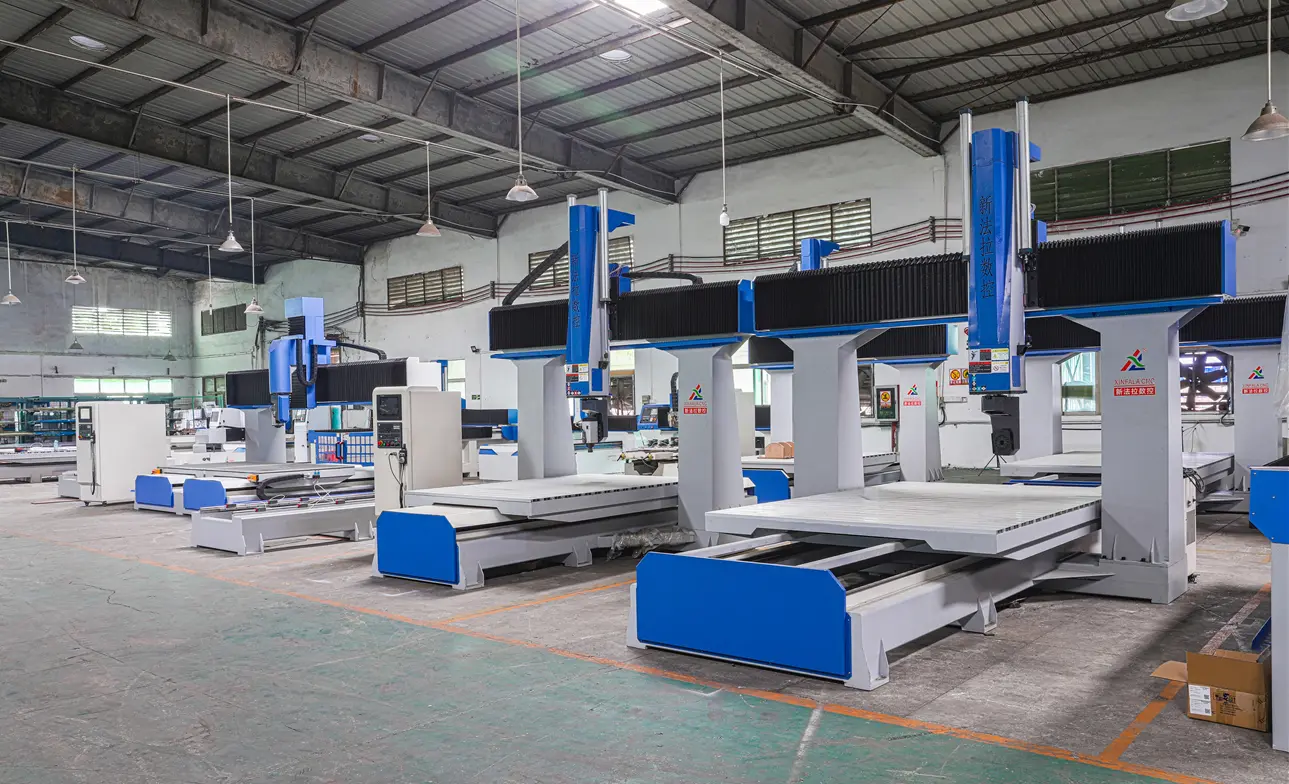
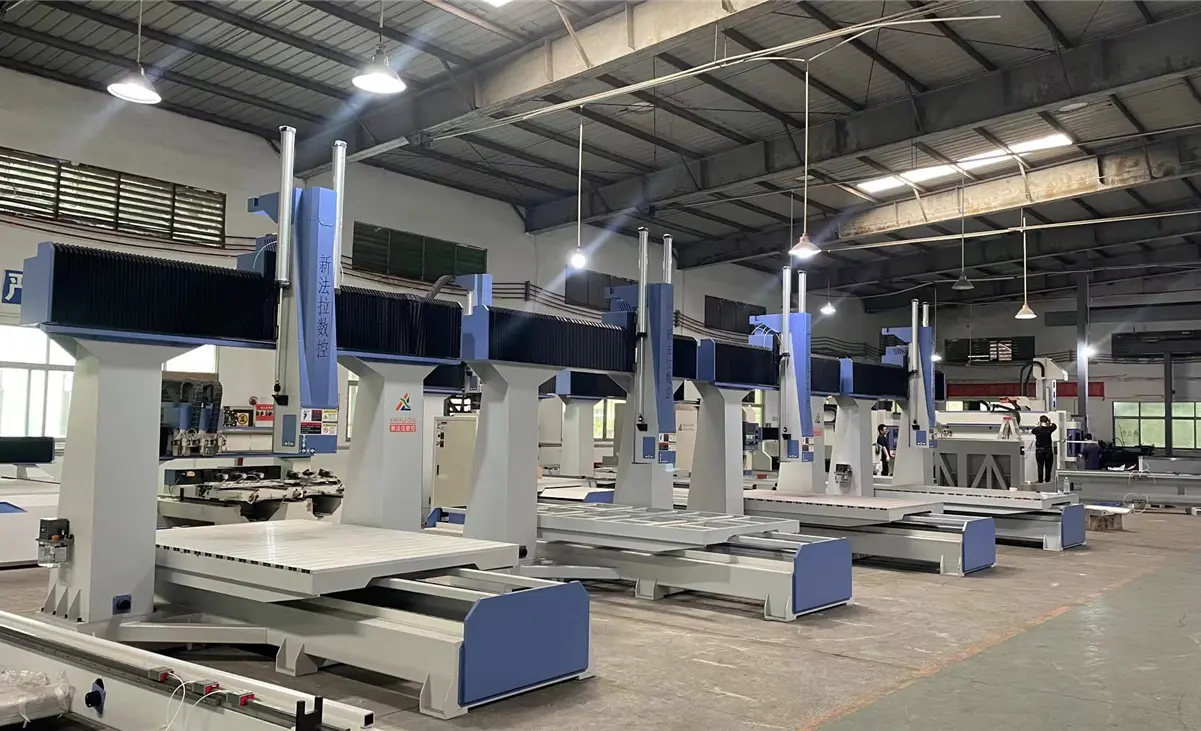
Therefore, when making a choice, if an enterprise's processing tasks are mostly simple planes or regular shapes, 3-axis equipment can meet the needs; if it involves processing with certain inclined surfaces, cylindrical surfaces, or other medium-complexity tasks, 4-axis equipment offers high cost performance; if it focuses on processing complex curved surfaces and precision components, 5-axis equipment is the ideal choice. Only by considering factors such as their own processing needs, cost budgets, and technical capabilities for accurate selection can enterprises reduce costs, increase efficiency, and enhance competitiveness in processing.
Contact Us:
WhatsApp: +86 13423261941 / +86 13533274914
Website: site_8f90180e-9552-4086-93c2-d354935da25a