How to Use a VMC Machine Effectively in 2026?
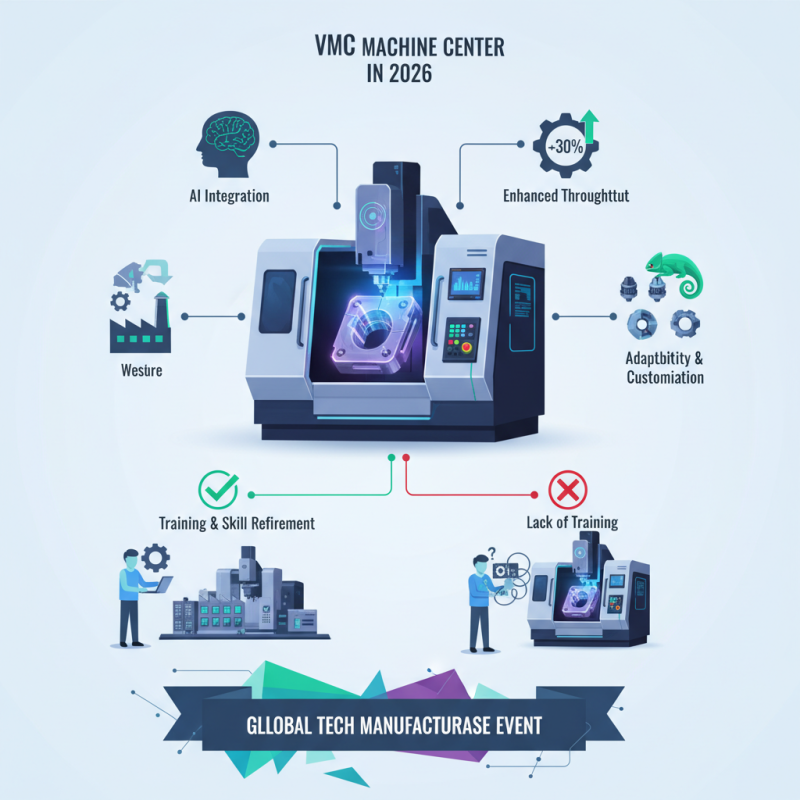
In the evolving landscape of manufacturing, VMC machines are at the forefront of innovation. By 2026, these machines are set to redefine efficiency and precision in production processes. According to recent industry reports, companies utilizing VMC technology can enhance their operational throughput by up to 30%. Expert engineer John Smith states, "The real power of a VMC machine lies in its adaptability to complex tasks." This adaptability is crucial as industries face increasing demands for customization and rapid production cycles.
The implementation of AI in manufacturing systems is accelerating. For instance, the upcoming Canton Fair in 2026 will showcase advanced manufacturing technologies, including intelligent VMC machines. These machines will integrate AI capabilities, enhancing user experience and performance. In an expansive exhibition area of 1.55 million square meters, such innovations are vital for navigating new challenges.
However, the transition to fully utilizing VMC machines isn't without hurdles. Users must adapt to new technologies and refine their operational strategies. Without proper training, the benefits of VMC machines may not be fully realized. As we venture into this new era, addressing these concerns is crucial for unlocking the full potential of VMC machines in manufacturing.
Understanding the Basics of VMC Machines and Their Operation
VMC machines, or vertical machining centers, are essential in modern manufacturing. They excel in precision and efficiency. Understanding their operation is key for effective use. Familiarize yourself with the machine's components. Pay attention to the spindle, tool holder, and control panel. Each part plays a crucial role in the machining process.
Tips: Regular maintenance is essential. Keep the machine clean and lubricated. Check the coolant levels frequently. This not only extends the machine's lifespan but also ensures better performance. Always verify that tools are securely attached before starting a job. Loose tools can lead to costly errors.
Consider the settings carefully. Speed and feed rates should match the material being machined. Too high a speed can produce excessive heat, damaging both the tool and the workpiece. Sometimes, adjustments are necessary. Document your settings for future jobs. Reflect on what works and what doesn’t. This approach fosters continuous improvement in your operations.
Key Features of Modern VMC Machines in 2026
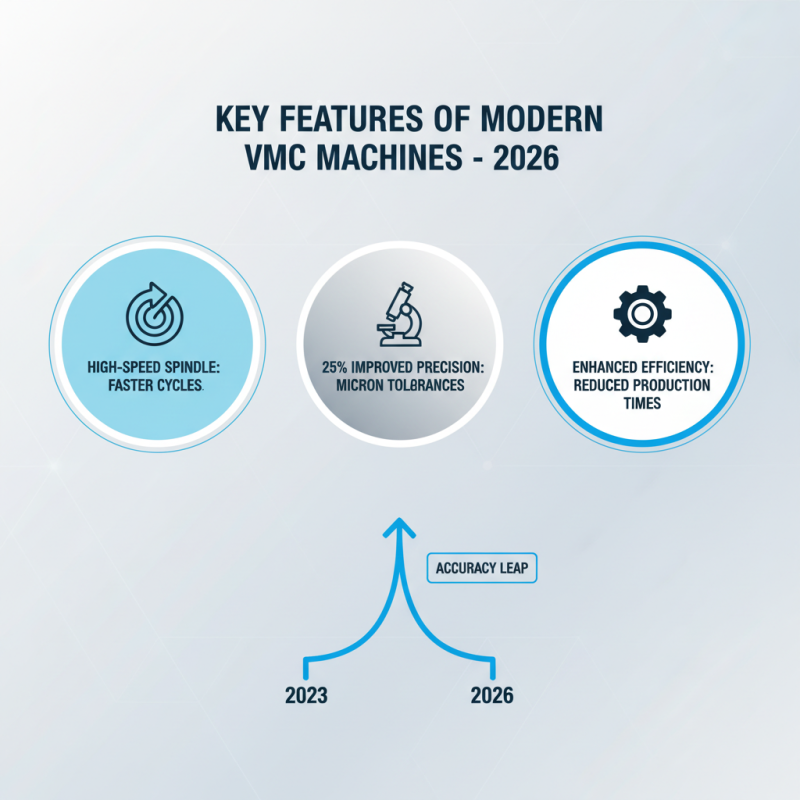
In 2026, modern Vertical Machining Centers (VMC) boast advanced features that enhance efficiency. High-speed spindle capabilities allow for faster machining cycles, significantly reducing production times. A recent industry report revealed that precision machining accuracy has improved by 25% over the last few years. This leap forward empowers manufacturers to achieve tolerances of just a few microns.
The integration of AI-driven software is another remarkable feature. These smart systems can optimize tool paths in real-time, minimizing waste. However, this may raise concerns about workforce skills. As machines become more autonomous, operators must adapt to new roles. A survey indicated that 40% of workers feel unprepared for these changes.
User interfaces have also evolved. Touchscreen panels now simplify the programming process, making it accessible for beginners. Yet, many still struggle with the transition from manual to automated systems. The challenge lies in balancing ease of use with the complexity of tasks. While VMCs show great promise, the industry must address training gaps to fully leverage their capabilities.
Step-by-Step Setup Procedures for Efficient VMC Usage
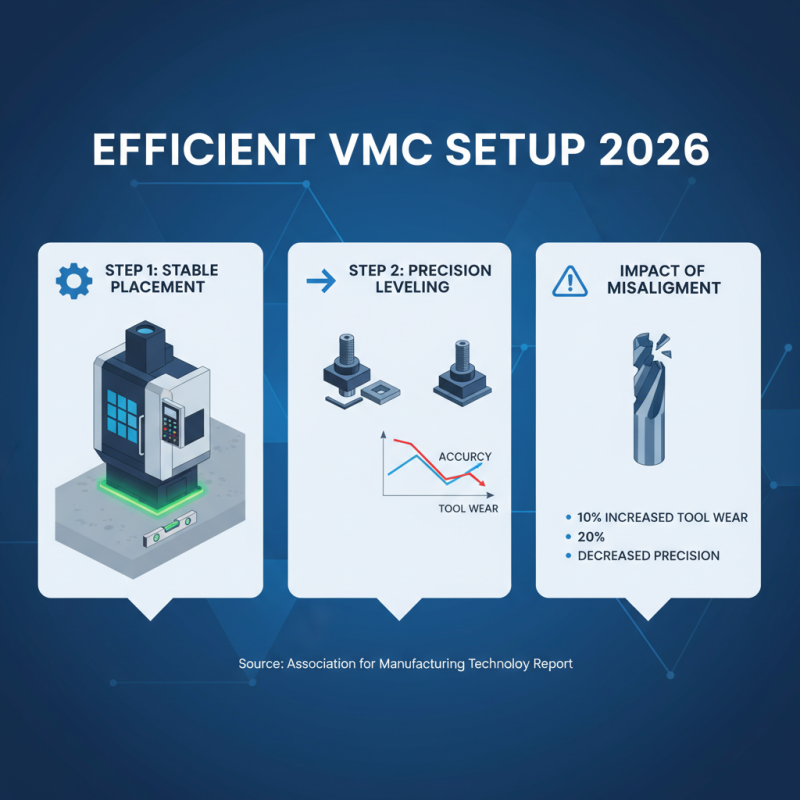
Setting up a Vertical Machining Center (VMC) effectively in 2026 demands a thorough understanding of procedures and practices. Begin by ensuring the machine is placed on a stable, level surface. VMCs, when properly leveled, reduce wear and improve accuracy. A report by the Association for Manufacturing Technology indicates that misalignment can lead to a 10% increase in tool wear and a 20% decrease in machining precision.
Next, verify the calibration of your workpiece and tools. Each tool should be measured against the VMC's coordinate system. Accurate measurements reduce errors. Research shows that improper setup can result in up to 30% of machining time lost due to rework. Regular checks must be made to ensure every tool is aligned correctly, keeping operations smooth.
Finally, implement a routine maintenance schedule. This includes not only cleaning but also checking for wear on essential components. A Machinery Maintenance Report revealed that 40% of breakdowns stem from inadequate upkeep. Investing time in a structured maintenance plan can prevent costly downtime. Always reflect on your setups; evaluate what can be improved in your processes. Mistakes can provide valuable lessons.
Essential Maintenance Practices for VMC Performance Optimization
To maintain a VMC machine's optimal performance in 2026, regular maintenance practices are crucial. According to a report from the Manufacturing Institute, nearly 50% of unplanned downtime results from inadequate maintenance. This statistic emphasizes the need for proactive measures. Regular lubrication checks, for instance, can extend the life of critical components. However, many operators overlook this simple task, leading to premature wear.
Calibration of the machine is equally important. Maintaining accurate settings ensures that the VMC operates efficiently. A study by the National Tooling and Machining Association indicates that a mere 1% deviation during machining can lead to significant quality issues. Operators must often recalibrate after major projects, yet many forget this step. It’s an area requiring keen attention.
Cleaning is another key aspect often neglected. A clean machine significantly reduces the risk of defects. Dust and debris can interfere with precision, leading to costly errors. Regular cleaning schedules can prevent this. Yet, many facilities struggle to prioritize this task in their busy operations. It's common to see machines that are operational but dirty. These situations call for reflection on maintenance culture within the workplace.
Advanced Techniques for Enhancing Productivity with VMC Machines
In 2026, effectively using a VMC (Vertical Machining Center) machine can vastly improve productivity. Focus on advanced techniques that streamline operations. For instance, employ adaptive machining strategies. These strategies adjust the cutting parameters in real time based on sensor feedback. This approach not only enhances efficiency but also improves tool life, reducing costs over time.
Optimizing tool paths is another critical aspect. Utilize software to analyze and refine these paths for maximum efficiency. However, be aware that even the best software can produce suboptimal paths if the input data is flawed. Regularly reviewing your inputs and settings is essential. Mistakes can lead to increased cycle times or wasted materials, so constant vigilance is key.
Additionally, invest in staff training to ensure operators can leverage the full capabilities of the machines. Having skilled personnel can bridge the gap between potential and performance. Nonetheless, even experienced operators can encounter challenges. Reflecting on these moments and seeking feedback can foster a culture of continuous improvement. Emphasizing the learning journey can help uncover better practices and techniques in the long run.
Productivity Enhancement Techniques for VMC Machines in 2026