When it comes to optimizing your Gantry Machining Center, there's much to consider. Industry expert John Smith, a renowned engineer in CNC technology, once stated, "Maximizing performance starts with understanding machine capabilities." His insight highlights the importance of a tailored approach in enhancing efficiency and precision.
A Gantry Machining Center is a versatile and powerful tool in manufacturing. However, many users underestimate the impact of setup and maintenance on performance. Small adjustments can have significant effects. Regular calibration, proper tooling, and consistent maintenance are vital for achieving desired results. Yet, even experienced operators can overlook these essential practices.
Understanding the machine's strengths and weaknesses is crucial. Each Gantry Machining Center has unique features that, when utilized correctly, can lead to improved productivity. Manufacturers sometimes fail to explore new technologies or methods, limiting their potential. Reflecting on current practices can reveal opportunities for enhancement. By being mindful of both machine capabilities and operational approaches, one can significantly elevate performance.
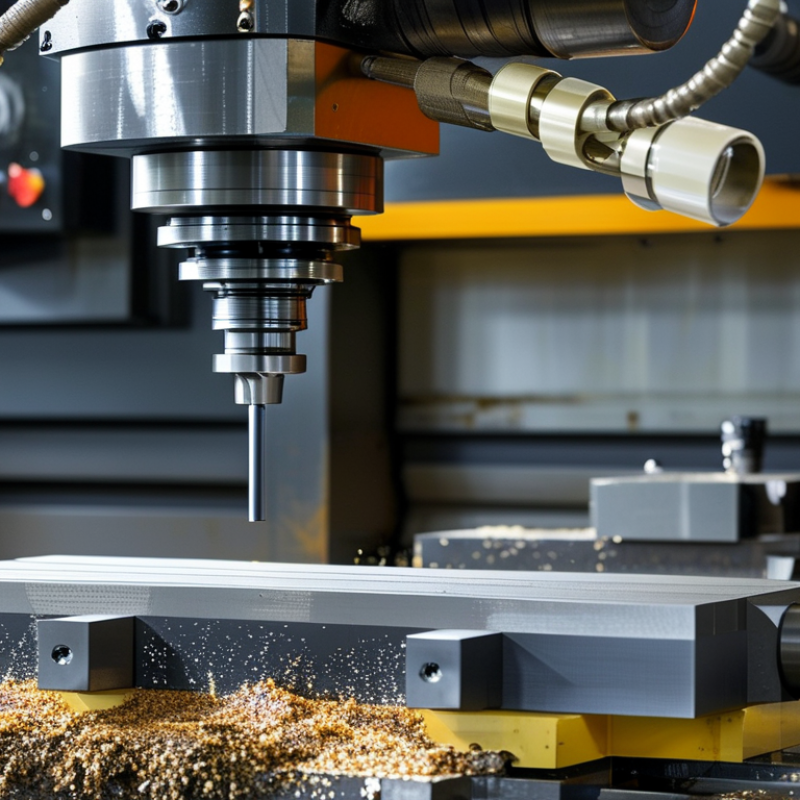
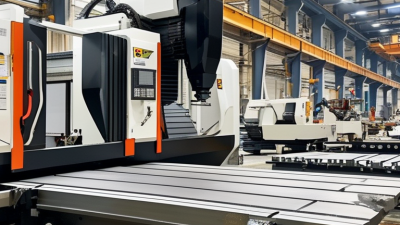
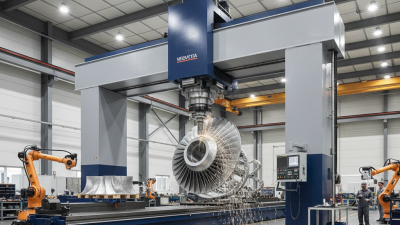
Gantry machining centers play a pivotal role in modern manufacturing. They excel in producing large and complex parts with precision. These machines are designed to handle hefty workloads and maintain accuracy over extended periods. Their structure allows for multi-axis movement, enabling the machining of intricate designs. Understanding their significance can lead to better operational strategies.
Optimizing your gantry machining center involves several key practices. Regular maintenance is vital. It ensures that all moving parts function smoothly. Ignoring small issues can lead to bigger problems. Adjusting the cutting speed and feed rates according to material type can significantly enhance performance. Not all materials respond the same way.
Another aspect to consider is the setup process. Ensuring the correct fixture and alignment of the workpiece can save time and prevent errors. Additionally, operator training should not be overlooked. Skilled operators can identify subtle issues early on. This proactive approach can lead to substantial improvements in efficiency and output quality.
| Tip | Description | Expected Benefit |
|---|---|---|
| 1. Regular Maintenance | Conduct routine inspections and servicing of machinery. | Increases longevity and performance reliability. |
| 2. Optimize Tool Selection | Choose the right tools for specific materials and applications. | Enhances cutting efficiency and quality. |
| 3. Fine-Tune Machine Settings | Adjust feed rate and spindle speed appropriately. | Improves precision and reduces cycle times. |
| 4. Employ CNC Software | Utilize advanced CNC programming software for efficiency. | Facilitates complex designs and automation. |
| 5. Monitor Thermal Conditions | Keep machinery at optimal temperatures to prevent warping. | Maintains dimensional accuracy. |
| 6. Implement Tool Management Systems | Track tool usage and condition to minimize downtime. | Ensures tools are available and in good condition. |
| 7. Improve Workholding Techniques | Use advanced fixtures and clamps to secure workpieces. | Enhances stability and reduces errors. |
| 8. Regularly Calibrate Tools | Ensure all tools are calibrated according to specifications. | Guarantees accuracy in machining processes. |
| 9. Invest in Employee Training | Provide ongoing training on machinery and processes. | Improves team competency and safety. |
| 10. Emphasize Quality Control | Implement stringent quality checks at every stage. | Reduces waste and enhances product quality. |
When discussing the performance of gantry machining centers, several key factors come into play. Precision and rigidity are critical elements that influence the machining outcome. A study by the American Society of Mechanical Engineers found that reducing vibration can increase machining accuracy by up to 30%. Machine calibration also plays a significant role; inadequate calibration can lead to a 15% drop in production efficiency.
One effective tip for enhancing performance is regular maintenance. Keeping components clean and well-lubricated helps prevent wear and tear. Implementing a preventive maintenance schedule can extend the lifespan of a gantry machine by 20%. Another important aspect is optimizing cutting parameters. Adjusting feed rates and spindle speeds can lead to improved part quality and reduced cycle times.
Furthermore, operator training cannot be overlooked. Skilled operators can greatly impact the efficiency of the machining process. Investing in continuous training ensures that the team is familiar with the latest techniques and technologies. Data shows that companies with well-trained staff can see a 25% increase in productivity. This cycle of learning and application reinforces the necessity of ongoing education in the workplace.
Maintaining your gantry machining center is crucial for achieving optimal performance. Regular inspections ensure that all components function correctly. Pay attention to key areas like the spindle and drive systems. Dust and debris can accumulate, leading to potential failures.
Scheduling routine lubrication is essential. Use the right lubricants to prevent wear and tear. Over time, seals can degrade. Inspecting them regularly helps avoid unexpected downtime. It's important to keep a maintenance log to track these activities.
Keep your machine’s software updated. This can improve efficiency and performance. Often, minor glitches arise due to outdated software. Training staff in proper handling techniques can also reduce wear. Mistakes happen; learn from them to enhance operations. By paying attention to these practices, you can ensure a reliable machining process.
In today's competitive manufacturing environment, optimizing gantry machining center performance is vital. Advanced cutting techniques substantially enhance efficiency, leading to better production rates and reduced costs. Research by the Manufacturing Technology Association shows that companies utilizing innovative cutting methods can improve their output by up to 35%.
To boost your machining center, consider employing high-speed cutting tools. These tools can significantly increase feed rates without sacrificing precision. This technique reduces cycle times and minimizes wear on machinery. Regularly assess your tooling to ensure it's sharp and suitable for the materials being processed. Utilizing coated tools can also enhance lifespan and performance.
Incorporating adaptive control technologies can lead to smarter machining operations. These systems adjust parameters based on real-time feedback, ensuring optimal performance. While investing in such technologies can seem daunting, studies indicate a potential return on investment of 200% over five years. Evaluate your existing systems and don't hesitate to explore the latest advancements that may seem unnecessary at first. Continuous learning and adaptation are key to maintaining a competitive edge in manufacturing.
Integrating software solutions for performance monitoring can significantly enhance the efficiency of your gantry machining center. Studies indicate that up to 30% of production time can be lost due to untracked tool wear and machine inefficiencies. These software tools provide real-time data analytics, allowing operators to make informed decisions quickly. For instance, monitoring spindle speed and feed rates can lead to enhanced precision and reduced waste.
One effective tip is to utilize software that tracks operational KPIs. This can include machine uptime, cycle times, and even energy consumption. Data indicates that manufacturers who adopt such technology see a 15% increase in overall equipment effectiveness (OEE). It is essential to ensure that your team is trained in interpreting these metrics. This ensures that potential problems are identified early, preventing costly downtimes.
Regular updates and maintenance of the monitoring software are crucial. Overlooking this can lead to inaccuracies in data, misleading the operators. A brief downtime for software updates may be less disruptive than operating with unreliable information. Embracing a mindset of continuous improvement is important, even if it means revisiting established practices.