What is a Gantry Machining Center and How Does it Work?
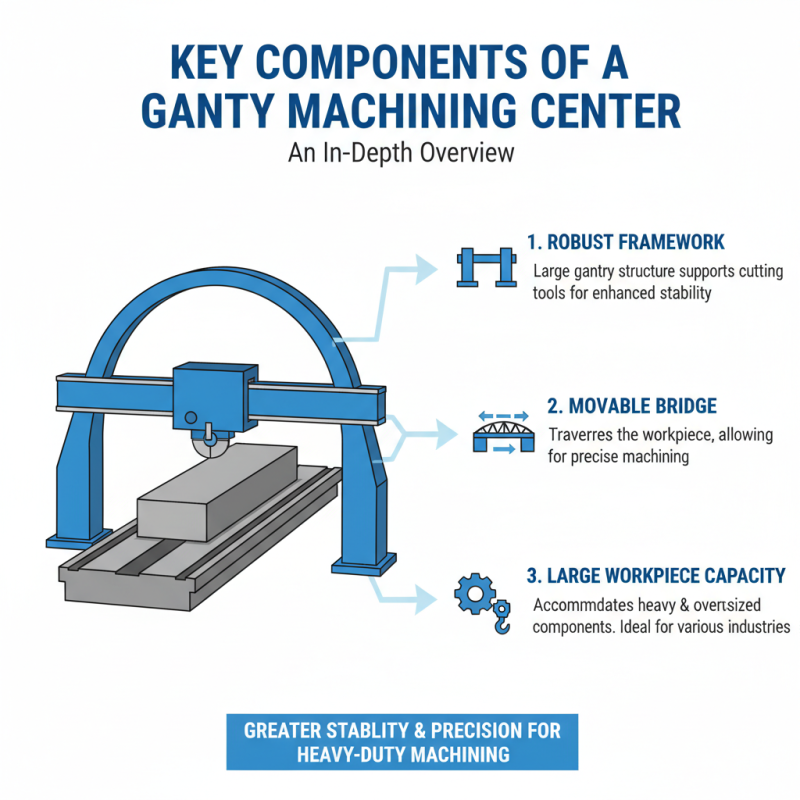
A Gantry Machining Center is an important tool in modern manufacturing. This machinery stands out due to its unique design and functionality. Unlike traditional machining centers, the gantry style allows for greater stability and size. It features a bridge-like structure that holds the spindle and tool, enabling precise movements across large workpieces.
The operation of a Gantry Machining Center involves several key components. These include the drive systems, control software, and the machining tools themselves. With automation, the process can be highly efficient. However, some users may find them complex to operate fully. Issues like alignment and calibration can lead to errors.
Despite its advantages, a Gantry Machining Center requires regular maintenance. This ensures consistent performance and longevity. New users often face challenges when integrating this technology into their workflows. It’s crucial to understand its capabilities and limitations. Adapting to a Gantry Machining Center might take time, but the investment is worthwhile for precision machining tasks.
Understanding Gantry Machining Centers: Definition and Purpose
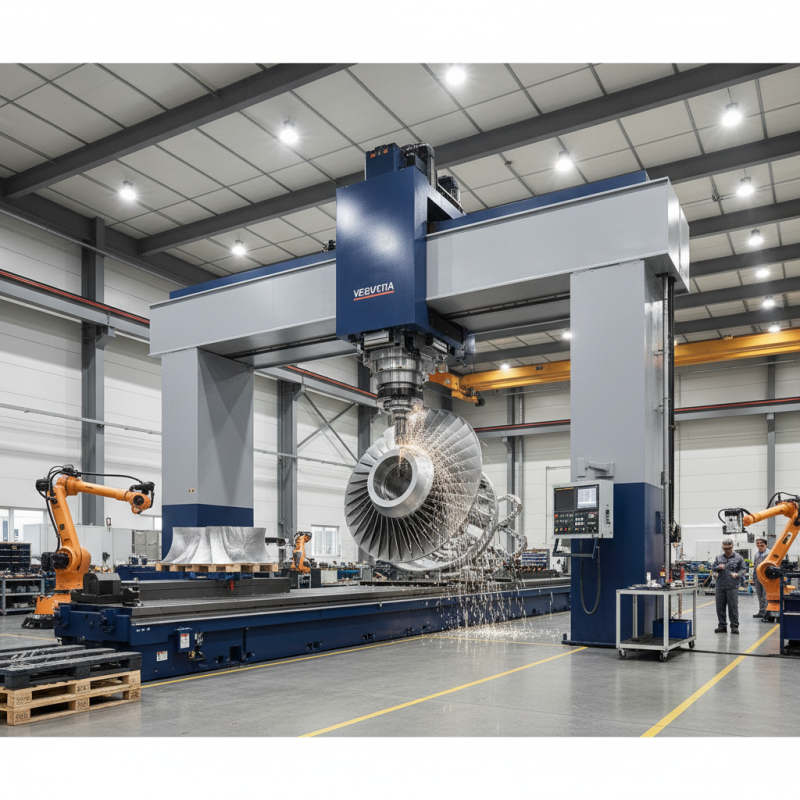
Gantry machining centers are pivotal in the manufacturing sector. These machines feature a bridge-like structure, allowing for versatile movement over a large workspace. They can handle heavy materials, making them ideal for industries like aerospace and automotive. According to a report by Market Research Future, the global gantry machining center market is projected to grow at a CAGR of 5.8% from 2021 to 2027. This growth highlights the increasing reliance on precision machining in modern manufacturing.
The purpose of gantry machining centers extends beyond mere functionality. Their design facilitates high-speed operations and intricate machining processes. The ability to automate tasks enhances productivity. Still, the complexity of these machines can lead to challenges. Operators must be trained effectively to avoid costly mistakes. The learning curve can be steep, and not everyone adapts quickly. The balance between automation and skilled operation remains a topic of discussion.
Moreover, maintenance is another area that requires attention. Regular checks are necessary to keep machines running efficiently. Neglecting maintenance can result in unexpected downtimes. In turn, this affects overall output and profitability. As manufacturers lean more on gantry machining, understanding these machines’ capabilities and limitations is crucial for success.
Gantry Machining Center Production Overview
How Gantry Machining Centers Operate: Mechanics and Technology
Gantry machining centers are remarkable pieces of equipment in modern manufacturing. They feature a bridge-like structure with a rail system. This design allows for flexible movement and stability during the machining process. The cutting tool can move in multiple axes, providing precision in creating complex parts. Operators can adjust the height and position with ease, but this requires a skilled hand.
The mechanics of a gantry machining center depend on a combination of motors and precise guide rails. The movement of the gantry is typically controlled by servo motors that respond to digital commands. This setup can lead to improved efficiency but can also introduce issues if not calibrated correctly. Misalignment may occur, which affects part quality. Regular maintenance is crucial, yet it’s often overlooked.
Technology plays a vital role in enhancing the performance of gantry machining centers. Advanced software allows for intricate programming, enabling the machine to handle complex tasks. However, learning to use these advanced systems can be challenging. Operators sometimes face a steep learning curve. This can lead to frustration and errors, highlighting the need for proper training.
Applications of Gantry Machining Centers in Various Industries
Gantry machining centers are essential tools used across various industries. They excel in large-scale operations. This flexibility makes them popular in aerospace, automotive, and heavy machinery sectors. For instance, in aerospace, gantry machines efficiently process large aircraft components. This ensures high precision in critical parts, which are vital for safety.
In the automotive industry, these machines help create complex parts quickly. The ability to work with different materials, like aluminum and steel, adds versatility. Yet, using a gantry machining center isn't always straightforward. Operators must consider machine setup carefully and ensure tool calibration. Even a minor error can lead to significant waste.
Tips: Always double-check the alignment before starting a job. Regular maintenance of the gantry system is crucial to avoid unexpected breakdowns. Remember, training for staff should be ongoing; knowledge is key to maximizing efficiency. As industries evolve, continuous learning becomes essential. Embracing new technologies can greatly enhance productivity.
Advantages of Using Gantry Machining Centers in Precision Manufacturing
Gantry machining centers are key players in precision manufacturing. They offer unmatched stability and rigidity, which allows for high precision in machining complex parts. According to a recent industry report, gantry systems can achieve tolerances within ±0.005 inches. This level of accuracy is crucial for sectors like aerospace and automotive.
The advantages of using gantry machining centers are notable. Their large work envelopes accommodate bigger workpieces, meaning fewer setups and reduced potential for errors. They excel in multi-axis machining, allowing intricate designs to be crafted efficiently. A study indicated that companies utilizing these centers reported a 20% increase in productivity.
Tips: When choosing a gantry machine, consider the material to be processed. Some materials may require specific tool configurations. Regular maintenance is vital to ensure consistent performance. Over time, wear and tear can affect precision, so it's essential to monitor equipment closely.