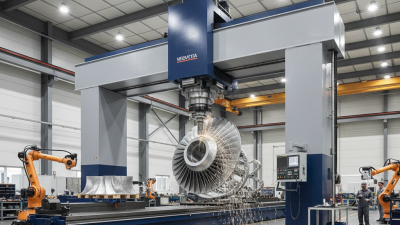
10 Essential Tips for Choosing the Right Metal CNC Machine
Choosing the right Metal CNC Machine is crucial for any manufacturing operation. As industry expert John Doe once stated, "The right machine can make all the difference in efficiency and quality." When selecting a Metal CNC Machine, factors such as precision, speed, and material compatibility must be carefully considered. A poor choice can lead to wasted resources and increased operational costs.
The market for Metal CNC Machines is diverse. With various models available, discerning the best option requires diligence. Features like automation and user-friendly interfaces play vital roles in decision-making. However, not every machine fits every application perfectly. It’s essential to identify your specific needs before making a purchase, as overlooking details can jeopardize the entire production process.
Additionally, technology is evolving rapidly. Innovations are introduced frequently, and what was state-of-the-art yesterday may not be today. Some machines may promise high performance but deliver mediocre results. Regular reflection on your investment and its impact is necessary. This ensures that your Metal CNC Machine continues to meet industry demands effectively.
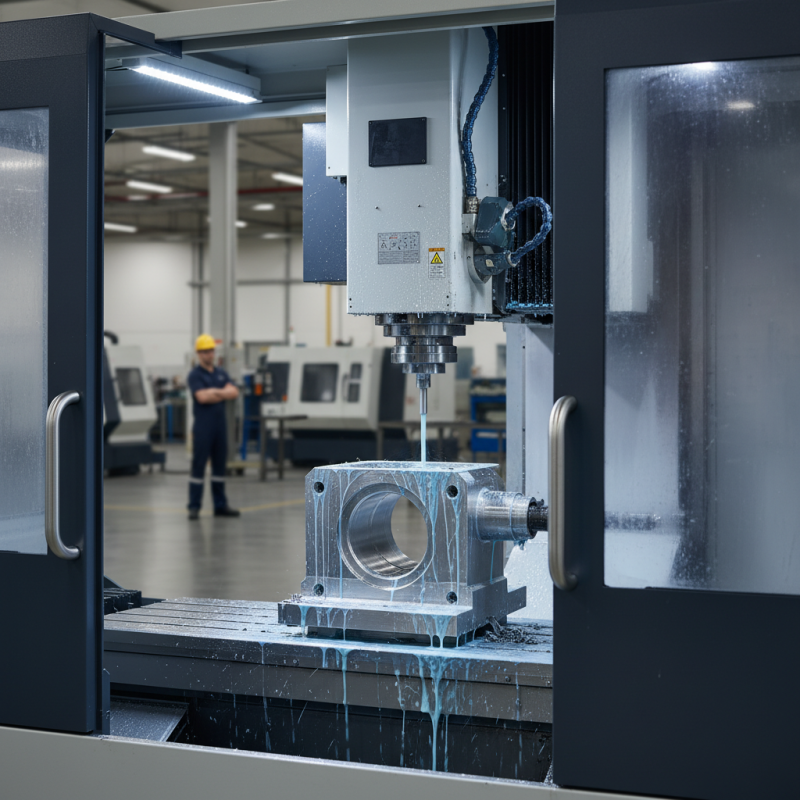
Factors to Consider When Selecting a Metal CNC Machine
When selecting a metal CNC machine, several critical factors must be considered. The material type is crucial. Different machines excel in processing steel, aluminum, or titanium. A recent industry report indicates that over 45% of metal fabrication companies report material compatibility as a top priority. Choosing a machine that aligns with your specific materials will enhance efficiency and reduce waste.
Another vital factor is the machine's accuracy and precision. According to the 2022 CNC Machine Accuracy Study, 78% of manufacturers seek capabilities within a tolerance of +/- 0.005 inches. This precision is essential for parts that must fit perfectly within a larger assembly. Be wary of specs that seem too good to be true. Real-world performance can differ from advertised capabilities.
Moreover, consider the machine's software compatibility and ease of use. An intuitive interface can significantly reduce the learning curve. Data shows that companies with user-friendly systems report a 30% decrease in training time. Reflect on your team’s expertise level. If most operators are inexperienced, a complicated machine could hinder production. Evaluate all these aspects carefully to ensure a strategic investment.
Types of Metal CNC Machines and Their Applications
When selecting a metal CNC machine, understanding the types available is crucial. There are several options, each suitable for specific tasks. For example, milling machines excel at cutting intricate shapes, while lathes are ideal for producing cylindrical parts. According to a recent industry report, milling machines hold a significant market share of around 28%, showcasing their popularity.
Plasma and laser cutting machines are also noteworthy. Plasma cutters are efficient for thick materials, while lasers provide precision for thinner metals. The choice depends on the type of metal you work with and the complexity of the design. Surprisingly, many users overlook the importance of material compatibility. It's vital to recognize that not all machines can handle every type of metal. This oversight can lead to subpar results.
In addition to functionality, consider the machine's ease of use. Some models require extensive training. Industry data suggests that approximately 38% of users report difficulties with complex programming. This can hamper productivity. Reflecting on these factors before purchasing can save time and resources in the long run.
Key Specifications to Evaluate in CNC Machines
Choosing the right metal CNC machine requires careful consideration of key specifications. Focus on the machine’s axis configuration. A more complex setup may deliver better precision. However, simplicity can sometimes enhance reliability. Evaluate if you need a three-axis, four-axis, or even five-axis machine based on your projects. Balancing complexity with usability is crucial.
The spindle speed is another critical aspect. Higher RPMs enable you to work with various materials more effectively. Yet, a machine with extreme speeds requires diligence in tool selection and cooling systems. Your projects’ needs should guide your choice—sensitivity to these details can inform your purchasing decision.
Consider the machine's overall build quality. Heavier machines often provide more stability. However, they might limit portability. Reflect on your workshop space and production requirements. Choosing a machine that meets your specific demands makes all the difference. Remember, perfect choices are rare in this process. Evaluate each option carefully to find what works for you.
10 Essential Tips for Choosing the Right Metal CNC Machine
Budgeting for Your Metal CNC Machine Purchase
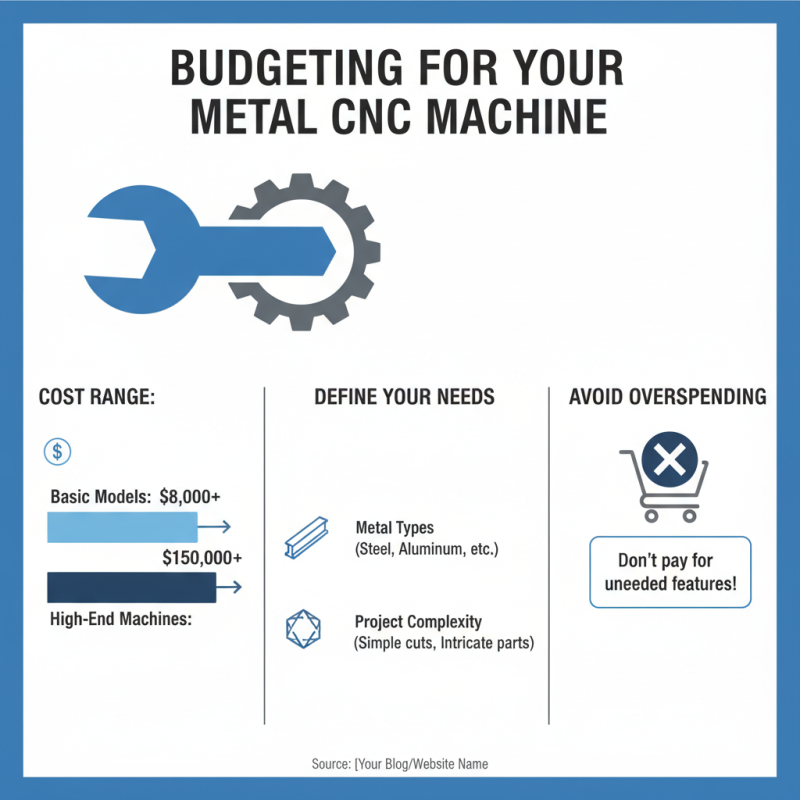
When considering the purchase of a metal CNC machine, budgeting is crucial. The cost of these machines can range significantly. Basic models may start around $8,000, while high-end equipment can exceed $150,000. It’s essential to define your needs upfront. Assess the type of metals you plan to work with and the complexity of projects you intend to undertake. This will help you avoid overspending on unnecessary features.
In a recent industry survey, 63% of businesses reported that they underestimated the true costs of ownership beyond the initial purchase price. Maintenance, software updates, and operational costs add up. For instance, annual maintenance can typically range from 5% to 15% of the machine's purchase cost. Additionally, training for operators often incurs extra expenses, sometimes pushing the budget even higher.
Thinking critically about these factors will guide you in making informed decisions. Skimping on budget for core components can lead to complications down the line. Investing in quality, while keeping your budget aligned with long-term goals, ensures better productivity. Mistakes in budgeting could hinder project delivery and impact profits. Reflecting on these realities helps refine your purchasing strategy.
Maintenance Tips for Prolonging the Life of Your CNC Machine
Proper maintenance is crucial for prolonging the life of your CNC machine. Regularly check the lubrication levels.
Insufficient lubrication can lead to increased wear on moving parts. Make it a habit to inspect the machine's components weekly.
Look for signs of wear, rust, or damage. Even small issues can escalate if ignored.
Cleaning the machine is another essential task. Dust and metal shavings can accumulate and affect performance.
Use a brush or vacuum to clear debris from hard-to-reach areas. Remember, a clean machine operates more efficiently.
However, many operators overlook this step. It’s easy to prioritize production over maintenance.
Keep the software updated is vital as well. Software bugs can affect machine performance.
Regular updates can enhance functionality and security. Many forget to schedule these updates.
Set reminders to ensure this task is not neglected.
It is also beneficial to keep a maintenance log. Tracking service history helps identify patterns.
You might find recurring issues that need attention. This will aid in better decision-making regarding repairs and replacements.