China Top 10 Machine Tools for Efficient Manufacturing Solutions?
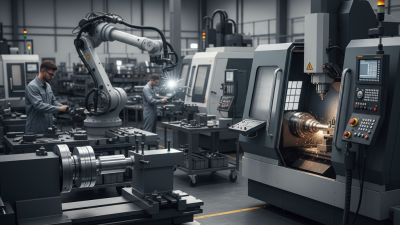
In today's competitive landscape, machine tools play a crucial role in manufacturing efficiency. Companies strive to find the best solutions that enhance productivity and reduce waste. The top machine tools in China exemplify innovation and technical prowess, offering advanced features tailored to various industries.
These machine tools not only increase output but also ensure precision. However, selecting the right equipment can be challenging. Businesses must consider specific needs, budget constraints, and long-term goals. Investing heavily without thorough research may lead to poor decisions. It’s essential to weigh pros and cons carefully to avoid pitfalls.
As manufacturers embrace automation and smart technologies, machine tools must evolve to meet new demands. Adopting top-performing tools can significantly impact operational success. Yet, staying updated with industry trends and advancements remains vital for continuous improvement. By exploring China's best machine tools, companies can make informed choices that align with their manufacturing objectives.
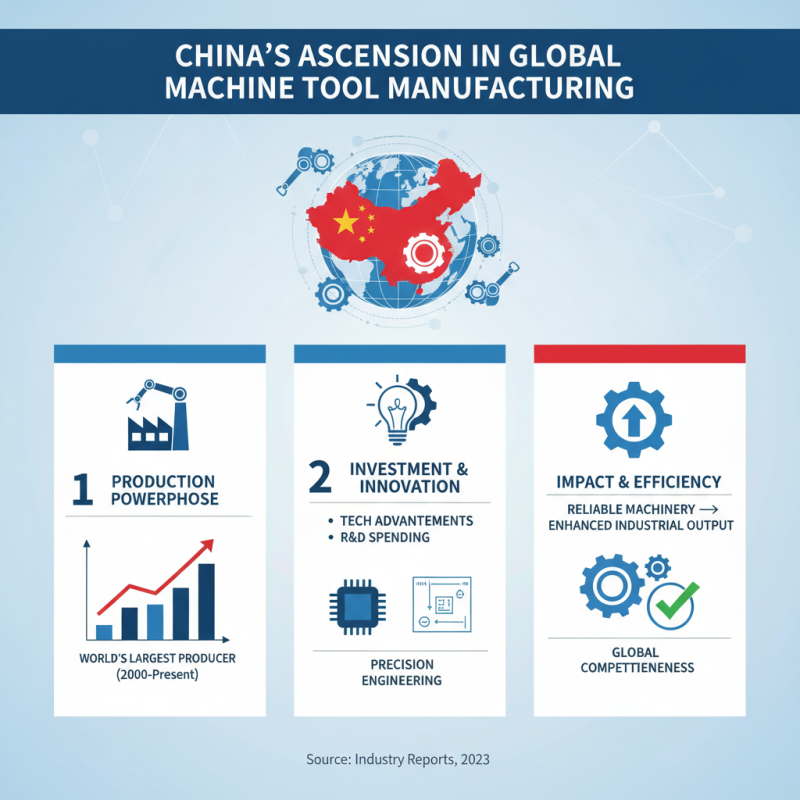
China's Emerging Role in Global Machine Tool Manufacturing
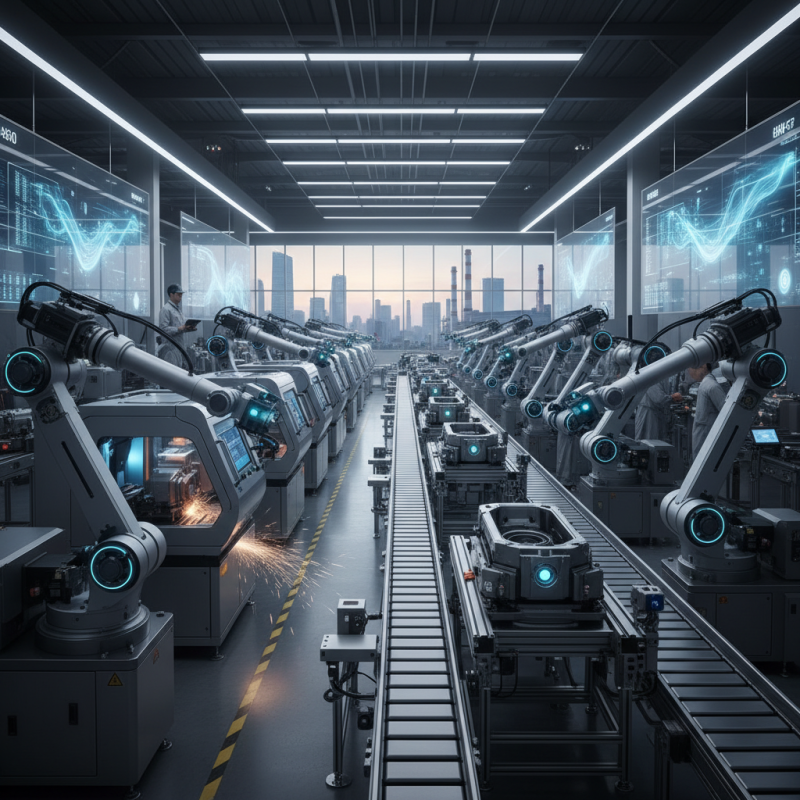
China's emergence in the global machine tool manufacturing sector is noteworthy. The country is now one of the largest producers of machine tools. This rise is not arbitrary; it stems from significant investments in technology and innovation. Many manufacturers focus on creating precise and reliable machinery. This ensures that industries can operate with enhanced efficiency.
Moreover, China's skilled workforce contributes to this growth. Engineers and technicians are increasingly adept at using advanced manufacturing techniques. However, challenges remain. The need for continuous improvement is crucial. Some products still fall short in terms of quality compared to long-established markets. Furthermore, environmental concerns and sustainability issues demand attention. Manufacturers must balance growth with responsibility. The path forward involves embracing innovation to create sustainable solutions in machine tool production.
Key Features of China’s Top 10 Machine Tools for Efficiency
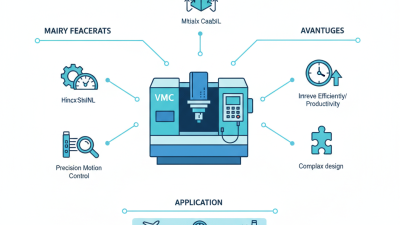
Efficiency in manufacturing is crucial. China’s top machine tools deliver significant advantages. These tools are designed with specific features that enhance productivity and precision.
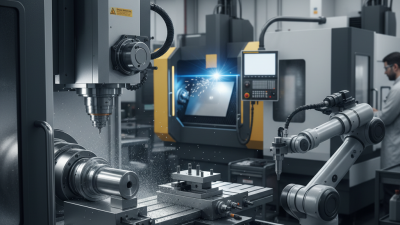
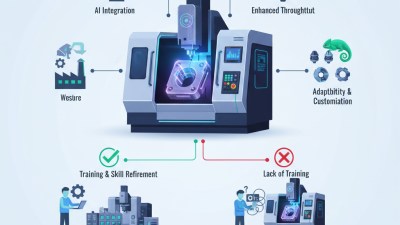
Many machines incorporate advanced automation and AI technologies. This helps to minimize human error and streamline operations.
Durable construction is another key feature. High-quality materials extend the life of these machines, making them a sound investment. Various models offer exceptional flexibility, allowing customization for different manufacturing needs.
This adaptability is vital in today’s fast-paced market, where demands can shift rapidly.
Furthermore, energy efficiency is a prominent consideration. Many machine tools are built to consume less power while maintaining high performance. This not only reduces operational costs but also minimizes environmental impact.
However, users must also reflect on the maintenance of this equipment. Regular upkeep is essential to ensure optimal performance. Neglecting this can lead to inefficiencies and higher long-term costs.
Impact of Advanced Manufacturing Techniques on Machine Tool Efficiency
Advanced manufacturing techniques are transforming the landscape of
machine tool efficiency in China. According to a report by the China Machine
Tool Industry Association, the adoption of smart manufacturing technologies has led to a 30% increase in operational efficiency for various machining processes. This shift toward automation and data-driven decision-making
reflects a significant industry trend.
The integration of IoT and AI technologies is particularly impactful. Data from
the International Federation of Robotics indicates that automation can reduce manufacturing downtime by up to 20%. However, this transition is not without challenges. Many machine tool operators struggle with the steep
learning curve associated with new technologies. Engaging workforce training programs is critical to address this issue.
Additionally, a report by Deloitte emphasizes the importance of continuous improvement and
innovation in manufacturing. Companies must be open to trial and error, reflecting on past
experiences to enhance their strategies. While efficiency gains are achievable, the pursuit of advanced solutions often requires
reevaluation of existing practices. Balancing efficiency with the necessary adaptations poses a complex but crucial task for the industry.
Case Studies of Successful Implementations of Chinese Machine Tools
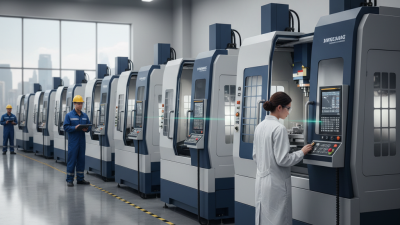
Chinese machine tools have made significant strides in recent years, especially in efficient manufacturing solutions. Case studies reveal the real-world impact of these innovations. For instance, one manufacturing facility reduced its machining time by 30% after integrating advanced CNC machines. This efficiency allowed them to meet tight deadlines and increase production volumes.
A key lesson from these implementations is the importance of training staff. Workers need to understand the capabilities and limitations of each machine. Visual demonstrations often enhance learning. Moreover, constant feedback from operators can lead to continuous improvements. Another case highlighted a company that faced hurdles initially, but through iterative adjustments, they optimized their workflows and reduced waste.
Tips for effective implementation: Ensure your team is equipped with adequate training. Encourage open communication about challenges faced. Regularly evaluate machine performance against production goals. These steps can lead to better utilization of your machinery and higher overall efficiency in production processes.
China Top 10 Machine Tools for Efficient Manufacturing Solutions
| Machine Tool Type |
Application |
Efficiency Improvement (%) |
Case Study Reference |
| CNC Milling Machine |
Aerospace Components |
30% |
Case Study 1 |
| Laser Cutting Machine |
Metal Fabrication |
25% |
Case Study 2 |
| EDM Machine |
Precision Parts |
20% |
Case Study 3 |
| Precision Grinder |
Automotive Parts |
15% |
Case Study 4 |
| Vertical Machining Center |
Medical Devices |
18% |
Case Study 5 |
| Horizontal Band Saw |
Steel Processing |
22% |
Case Study 6 |
| CNC Lathe |
Oil & Gas Equipment |
28% |
Case Study 7 |
| Automatic Tool Changer |
Assembly Lines |
35% |
Case Study 8 |
| Injection Molding Machine |
Plastic Parts |
30% |
Case Study 9 |
| Robotic Arm |
Manufacturing Automation |
40% |
Case Study 10 |