Top 10 Best Machine Tools for Precision Engineering?
In the fast-evolving world of precision engineering, the selection of machine tools plays a critical role. According to Dr. Emily Carter, a renowned expert in the machine tools industry, “Precision is not just a goal; it’s a necessity.” This statement encapsulates the essence of choosing the right equipment to achieve desired accuracy in engineering projects.
Advancements in technology have led to a variety of machine tools designed for precision work. These tools range from CNC machines to lathes, each offering unique benefits. However, the multitude of options can sometimes overwhelm engineers. Selecting the best tool is not a one-size-fits-all solution. Different projects demand different tools, and a lack of understanding can lead to costly mistakes.
Not every tool will meet all engineering needs. Budget constraints may also limit choices. Additionally, regular maintenance is essential to ensure longevity and precision in performance. Engineers must navigate these challenges while staying informed about the latest innovations in machine tools. The right choice can significantly impact project outcomes.
Overview of Precision Engineering and Machine Tools
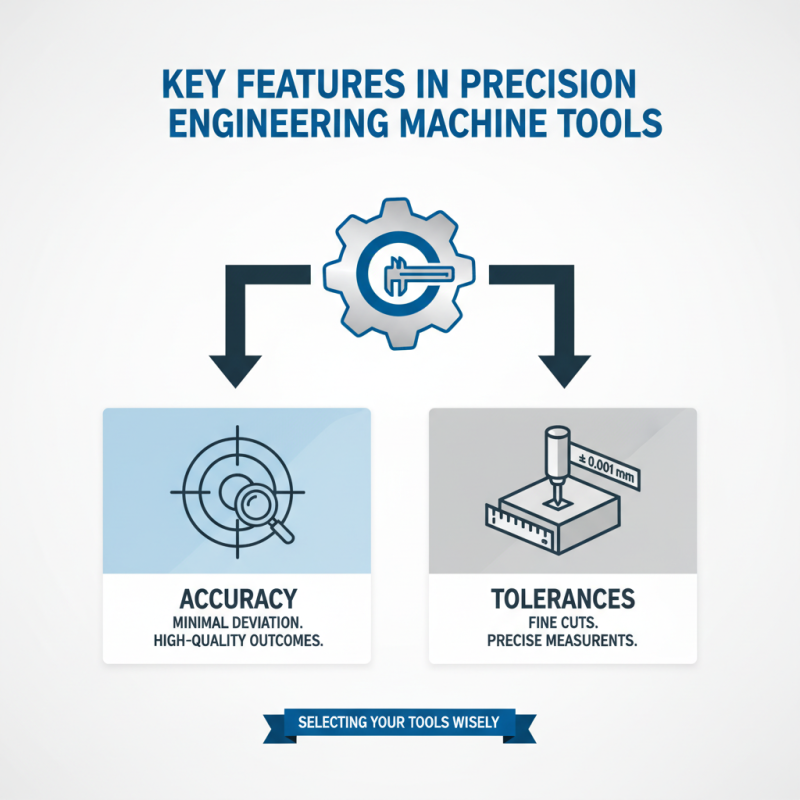
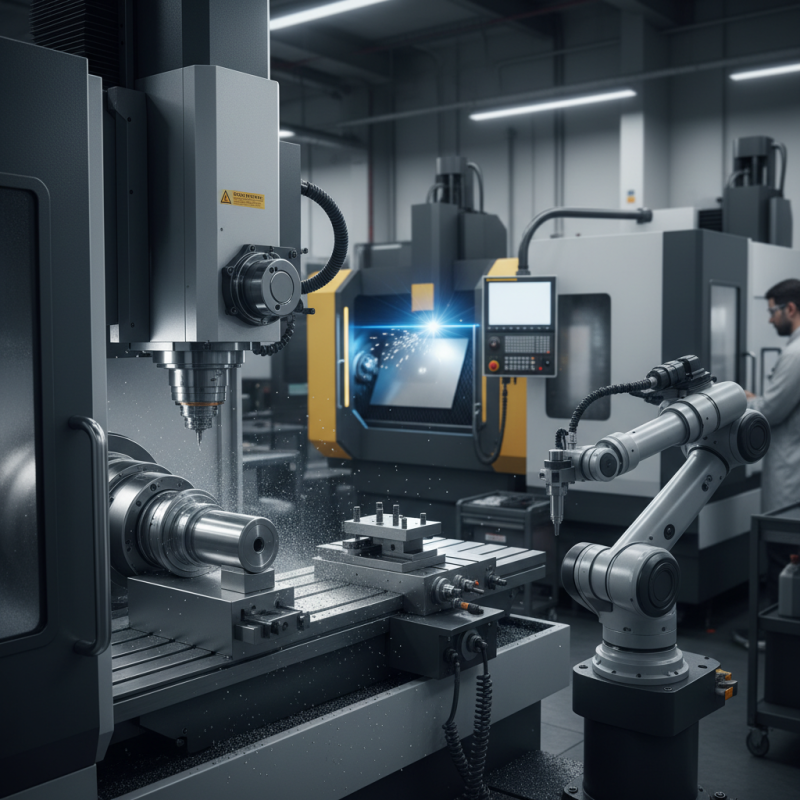
Precision engineering is a vital aspect of manufacturing. It focuses on creating components with very tight tolerances. Such precision is crucial in industries like aerospace, automotive, and electronics. The relationship between precision engineering and machine tools is fundamental. High-quality machine tools ensure accuracy and enhance productivity in engineering projects.
When selecting machine tools, several factors must be considered. Reliability, ease of use, and maintenance are crucial. However, many engineers still face challenges, such as tool wear and operational errors. These issues can lead to costly mistakes. The selection process often overlooks smaller details that impact precision. For instance, vibrations or temperature fluctuations can affect the machining process significantly.
Moreover, workers need ongoing training to adapt to evolving technology. Many machine tools offer advanced features but require skilled operators. Investing in education can mitigate many precision-related problems. Continuous improvement is essential, and engineers must reflect on past projects. Lessons learned can guide future decisions and enhance overall effectiveness in precision engineering.
Top 10 Machine Tools for Precision Engineering: An In-Depth Look
Precision engineering relies heavily on the right machine tools. Each tool plays a vital role in achieving accuracy. Understanding their functions is essential. For example, CNC machines offer automation, reducing human error. They enable intricate designs that are hard to replicate manually. With proper programming, CNC tools can consistently deliver high-quality output.
Other tools, such as lathes and milling machines, are also crucial. They serve different purposes but are equally important. A lathe can shape materials with precision, while milling machines can create complex geometries. Each tool has its strengths and weaknesses, depending on the task. There’s no one-size-fits-all solution in this field.
However, selecting the wrong machine can lead to costly mistakes. A tool may not perform as expected. Users need to evaluate their needs carefully. Regular maintenance is another area for reflection. Neglect can lead to diminished accuracy. Precision engineering is about continual improvement. Embracing technology and learning from past experiences can lead to better outcomes.
Top 10 Best Machine Tools for Precision Engineering
| Machine Tool Type |
Accuracy (microns) |
Max Workpiece Weight (kg) |
Speed (RPM) |
Price Range (USD) |
| CNC Milling Machine |
5 |
2000 |
6000 |
20,000 - 50,000 |
| CNC Lathe |
3 |
1500 |
5000 |
15,000 - 40,000 |
| EDM Machine |
2 |
800 |
3000 |
30,000 - 60,000 |
| Surface Grinder |
4 |
1000 |
2000 |
10,000 - 25,000 |
| Laser Cutting Machine |
10 |
1200 |
4000 |
50,000 - 100,000 |
| Horizontal Band Saw |
15 |
2000 |
1000 |
5,000 - 15,000 |
| 3D Printer |
20 |
50 |
300 |
1,000 - 5,000 |
| Punch Press |
10 |
3000 |
1200 |
10,000 - 30,000 |
| Bridge Mill |
5 |
2500 |
4000 |
50,000 - 120,000 |
| Tool & Cutter Grinder |
8 |
600 |
1000 |
5,000 - 12,000 |
Comparative Analysis of Machine Tool Performance and Accuracy
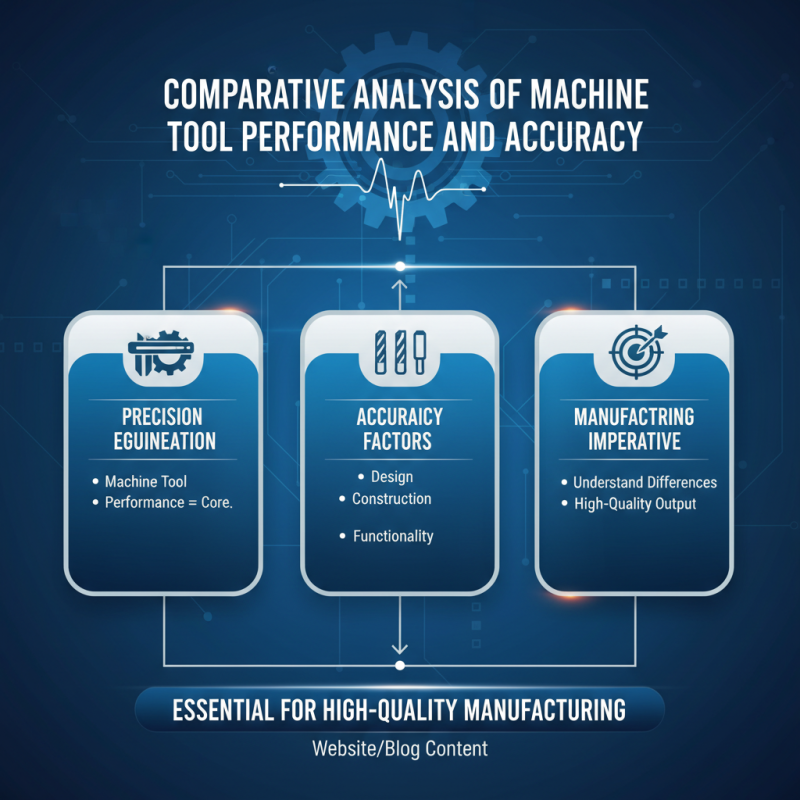
Precision engineering relies heavily on machine tool performance. The accuracy of these machines can vary widely based on their design, construction, and functionality. Understanding these differences is essential for manufacturers pursuing high-quality output.
Many machine tools are equipped with advanced technology that enhances precision. These features may include CNC controls, high-speed spindles, and robust rigidity. However, not every feature translates to better performance. Some machines may excel in speed but lack in precision, leading to subpar results. Testing under real conditions reveals discrepancies that often go unnoticed in specifications.
User feedback plays a crucial role in understanding machine performance. Some operators report that machines can fall short under prolonged use. Calibrations may drift, impacting accuracy over time. Regular maintenance is vital, yet it’s often overlooked. This highlights a common struggle in the industry: balancing technology with practical, day-to-day operations. Adapting machines to specific tasks is often necessary, yet it requires a deep understanding of each tool’s capabilities and limitations.
Future Trends in Machine Tools for Precision Engineering
The landscape of precision engineering is evolving rapidly. New technologies are reshaping machine tools to enhance accuracy and efficiency. Automation plays a critical role. Robots are assisting in manufacturing processes, reducing human error. This trend allows for tighter tolerances and improved surface finishes. However, it raises concerns about job displacement.
Additive manufacturing is also gaining traction. 3D printing enables complex geometries that traditional methods struggle to achieve. It is not without its challenges, though. Material properties can vary, affecting the end product's performance. Engineers need to rethink designs to leverage this technology fully.
Data analytics and IoT contribute significantly to this shift. Machine tools now collect data to optimize processes. This leads to better maintenance schedules and reduced downtime. Yet, the reliance on technology can create vulnerabilities. Cybersecurity risks must be carefully managed. As these trends continue, the balance between innovation and risk remains crucial.
Top 10 Best Machine Tools for Precision Engineering
This chart displays the performance ratings for the top 10 machine tools used in precision engineering. Each tool is rated on a scale from 1 to 10 based on efficiency, accuracy, and user feedback.