What is Aluminum Machine and How to Choose the Best One?
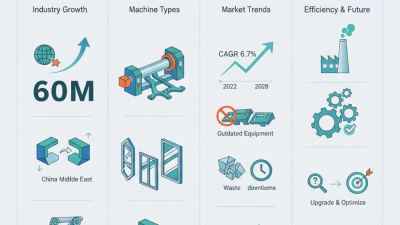
The aluminum industry is experiencing substantial growth, fueled by increased demand across various sectors. According to a recent report by Research and Markets, the global aluminum market is expected to reach $200 billion by 2026. This demand drives the need for advanced machinery capable of handling aluminum fabrication processes effectively. Selecting the right Aluminum Machine is crucial for manufacturers to ensure efficiency and precision.
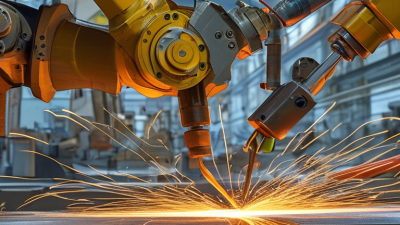
The variety of machines available can be overwhelming. Each machine has unique features suited for specific tasks, such as cutting, welding, or shaping aluminum. Industry experts emphasize the importance of understanding these features to make informed choices. A well-selected Aluminum Machine can significantly enhance productivity while minimizing waste and operational costs.
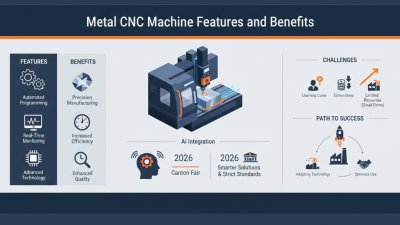
As the technology evolves, there is a continuous push towards automation and efficiency. However, not all machines meet the high standards required for specialized aluminum work. Some might not handle intricate designs or high volumes effectively. Evaluating a machine’s reliability and performance should involve thorough research and possibly consulting industry experts to avoid costly mistakes.
What is an Aluminum Machine and Its Industrial Applications?
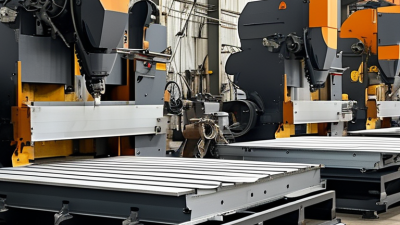
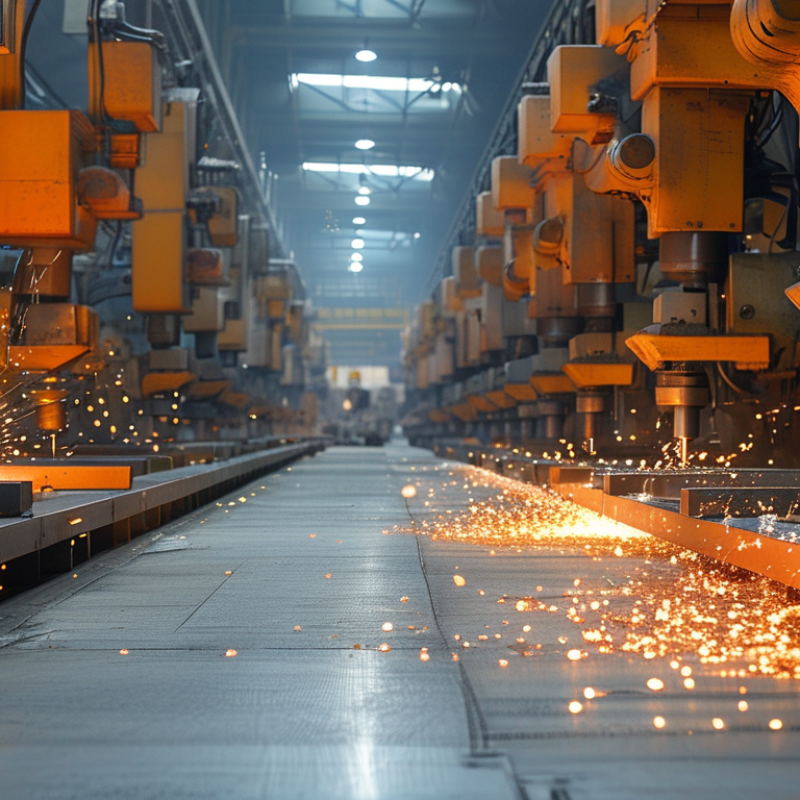
An aluminum machine is a specialized tool used for shaping and processing aluminum. This equipment is vital in various industries, including automotive, aerospace, and construction. These machines can perform tasks such as cutting, bending, and milling, which enhance the overall efficiency of production processes. Properly designed aluminum machines ensure precision while minimizing waste and labor costs.
The industrial applications of aluminum machines are diverse. In the aerospace industry, they fabricate lightweight components for aircraft. Automotive manufacturers often utilize these machines to create parts that improve fuel efficiency. The versatility of aluminum makes it ideal for various applications, from windows to structural beams. As industries evolve, the demand for high-quality aluminum machines grows, prompting advancements in technology and design.
Choosing the best aluminum machine requires careful consideration. Factors include production volume, the specific aluminum alloy used, and required precision. It's also essential to evaluate the maintenance and service of the equipment. A reliable machine should withstand rigorous daily use while remaining accurate. However, users often overlook the importance of operator training. Skilled operators can significantly enhance the machine's performance. Without proper training, even the best machine can underperform.
What is an Aluminum Machine and How to Choose the Best One? - What is an Aluminum Machine and Its Industrial Applications?
| Machine Type |
Key Features |
Industrial Applications |
Maintenance Frequency |
Estimated Cost ($) |
| CNC Aluminum Machining Center |
High precision, multi-axis capabilities |
Aerospace, automotive parts manufacturing |
Monthly |
50,000 - 150,000 |
| Aluminum Extrusion Press |
High-pressure extrusion, various shapes |
Construction, transportation, consumer goods |
Quarterly |
100,000 - 250,000 |
| Aluminum Cutting Machine |
Precision cutting, multiple blade options |
Metalworking, fabrication shops |
Biannually |
10,000 - 30,000 |
| Laser Engraving Machine |
High-speed engraving, customizable settings |
Sign making, decorative items |
Monthly |
5,000 - 20,000 |
Key Features of Aluminum Machines: Processing Capabilities and Types
Aluminum machines play a crucial role in the manufacturing sector. They are versatile tools designed for various processing tasks. The capabilities of these machines range from cutting and milling to bending and casting aluminum. Understanding the processing capabilities is essential when selecting the right machine for specific needs.
In recent years, the global aluminum processing market has shown significant growth. According to industry reports, it is projected to reach USD 203 billion by 2026, growing at a CAGR of 4.1%. Different types of aluminum machines cater to specific processing tasks, including CNC machining centers, extrusion machines, and die-casting machines. Each type serves unique purposes, impacting production efficiency and overall output quality.
Choosing the right aluminum machine involves assessing these capabilities. Factors such as maximum cutting speed, size tolerance, and production volume must be considered. Reportedly, an optimized machining process can enhance productivity by up to 30%. However, not every machine guarantees success. Poorly matched equipment may lead to higher waste and product defects. Analyzing your specific needs and comparing machine performance can help overcome these challenges. Understanding both the strengths and pitfalls is vital for making informed decisions.
Factors to Consider When Choosing an Aluminum Machine
Choosing the right aluminum machine is crucial for efficiency and productivity. Several factors come into play when making this decision.
First, consider the machine's specifications. Understand the type of aluminum processing you plan to do.
Different machines are designed for different tasks, such as cutting or shaping.
Next, look at the machine's capacity. This refers to the maximum size and weight of the aluminum pieces it can handle. A machine with a small capacity may not meet your industrial needs.
Additionally, evaluate the technology used in the machine. Advanced features can improve precision but may also add complexity.
Another important aspect is the manufacturer’s reputation. Research their experience in the industry. A vendor with a long track record can provide better support and reliability.
Don’t hesitate to seek reviews or testimonials. This information can be invaluable.
Last, think about maintenance and ease of use. A machine that is difficult to maintain can lead to extended downtimes and increased costs.
Always ask critical questions before making a commitment.
Cost Analysis: Budgeting for Aluminum Machines Based on Industry Standards
When budgeting for aluminum machines, understanding industry standards is crucial. Recent reports indicate that the average cost of an aluminum machining center
ranges from $50,000 to over $200,000. This variance largely depends on machine capabilities and specifications. Investing in high-quality machines often leads to improved efficiency.
Operating costs also play a significant role in your budget. According to industry data, the annual maintenance costs for aluminum machines can be about 10-15% of the initial purchase price.
Moreover, energy consumption is a key factor. Machines designed for energy efficiency may have higher upfront costs but provide savings long-term.
Evaluating financing options is essential. Many companies rely on leases, which can spread out costs. Understanding your production needs aids in making the right choice.
A machine that is too large can increase costs unnecessarily. Conversely, undersized machines may lead to inefficiencies.
Thoughtful consideration of specifications and costs can enhance long-term success.
Top Manufacturers in the Aluminum Machine Sector and Their Offerings
In the aluminum machine sector, choosing the right manufacturer is essential for achieving high efficiency and product quality. Companies in this field produce various machines, such as extruding presses, CNC milling machines, and anodizing equipment. According to a recent industry report, the global market for aluminum machinery is expected to grow at a CAGR of 6.4% through 2027. This growth highlights the increasing demand for quality machinery in diverse industries.
When evaluating top manufacturers, consider their machinery offerings and technological advancements. Many leading companies emphasize precision engineering and energy efficiency. For instance, some machines incorporate smart technology for better monitoring and control. However, the complexity of these machines means that not all manufacturers can deliver reliable performance. A study found that 30% of aluminum machines fall short in meeting expected durability standards. This data suggests that careful analysis of manufacturer reputations and product benchmarks is necessary.
Moreover, after-sales support creates a significant impact on operational effectiveness. Manufacturers that provide robust training and maintenance can enhance user experience. Yet, it remains a challenge to find firms that balance innovation with reliability. As the market evolves, manufacturers must ensure that they maintain high standards while adapting to new technologies.